





What's Happening?
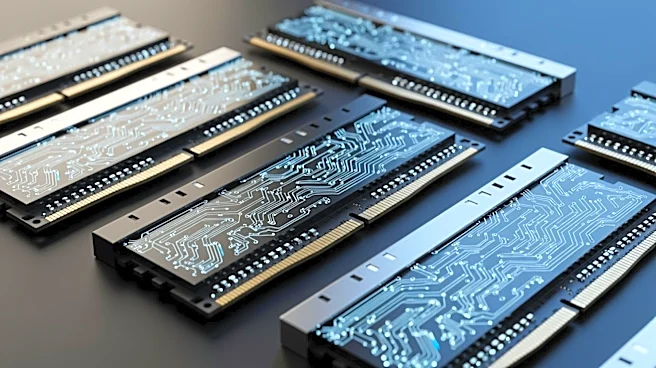
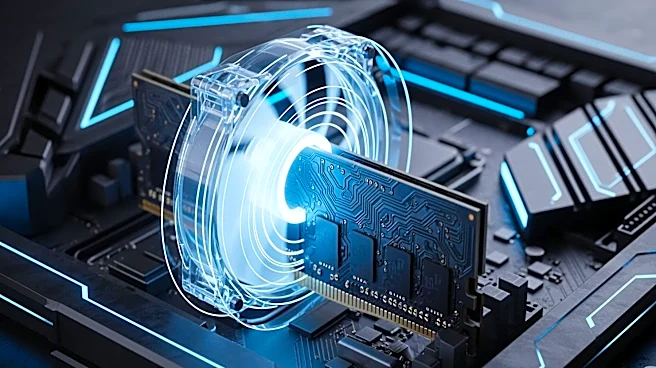
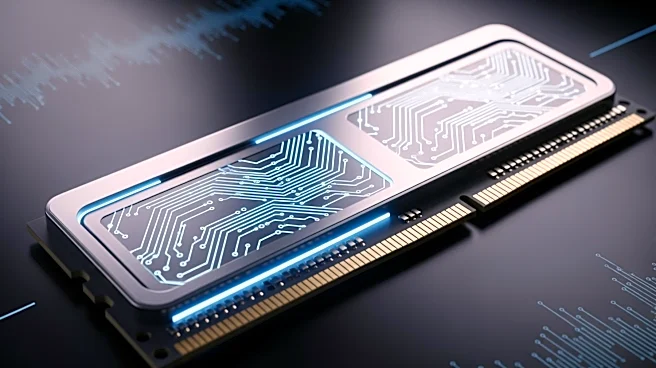
AMD has announced a new extension to its EXPO memory standard, known as EXPO Ultra Low Latency (ULL), aimed at improving gaming performance on Ryzen platforms. This new mode is part of the EXPO 1.2 update and is designed for DDR5 memory kits. It features
automatic memory overclocking and tighter tuning, which AMD claims can enhance both average FPS and 1% low FPS in games. According to AMD, EXPO ULL can deliver up to 13% higher average FPS compared to JEDEC DDR5 memory and up to 4% higher than current EXPO profiles. The company also reports gains of up to 15% for 1% lows over JEDEC and 4% over existing EXPO profiles, based on tests conducted across more than 30 games using a Ryzen 7 9700X system. The new memory mode also targets a reduction in memory latency by 5 to 7 nanoseconds compared to regular DDR5-6000 kits.
Why It's Important?
The introduction of EXPO ULL is significant for gamers and PC enthusiasts who seek enhanced performance from their systems. By reducing latency and improving FPS, AMD's new memory mode can provide a smoother and more responsive gaming experience. This development is particularly relevant as gaming continues to be a major driver of PC hardware sales. The improvements in memory performance could also influence competitive gaming, where even small enhancements in system responsiveness can impact outcomes. Additionally, the collaboration with memory partners like G.SKILL, Kingston FURY, and others ensures a broad availability of compatible kits, potentially boosting sales and adoption of AMD's Ryzen platforms.
What's Next?
The EXPO ULL kits are expected to be available in June, with full motherboard and BIOS support depending on vendor updates. Recent AGESA releases have already added more DDR5 tuning options for AM5 boards, indicating that AMD is preparing the ecosystem for these new memory modules. As these kits become available, it will be important to monitor user feedback and performance benchmarks to assess the real-world impact of the EXPO ULL mode. Additionally, other memory manufacturers may respond with similar innovations, potentially leading to further advancements in memory technology.