





What's Happening?
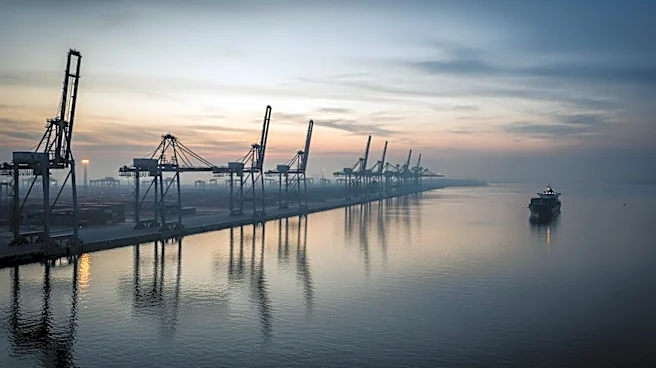
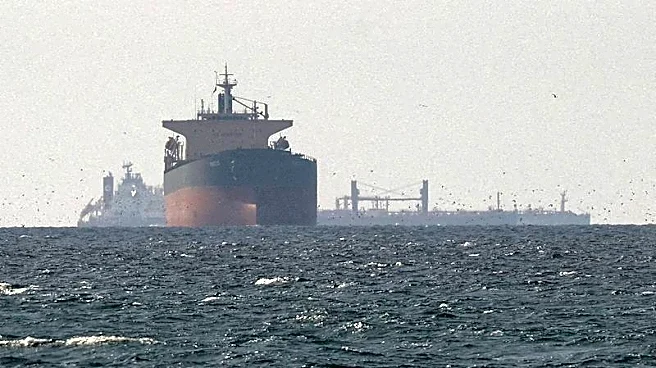
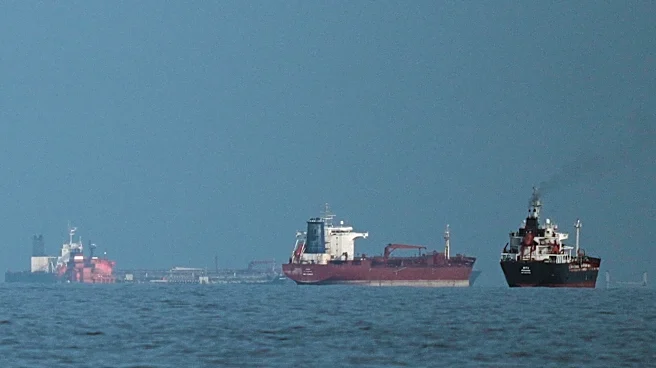
The ongoing conflict in the Middle East is significantly impacting global pharmaceutical supply chains. Key shipping routes have been disrupted, and air transit hubs have slowed or come to a standstill, affecting the movement of goods, including pharmaceuticals.
The conflict serves as a stress test for the interconnected global system that ensures the availability of critical medicines worldwide. Disruptions in energy markets are particularly affecting pharmaceutical manufacturing, which is energy-intensive, leading to increased production costs and potential delays in output. Medicines requiring refrigeration, such as biologics and vaccines, are at risk due to disruptions in air freight, which is essential for maintaining cold chain integrity. The industry also faces indirect exposure through its reliance on active pharmaceutical ingredients sourced from global hubs like China and India, with energy supplies flowing through the Strait of Hormuz.
Why It's Important?
The pharmaceutical industry is uniquely vulnerable to supply chain disruptions due to the precise handling conditions required for medicines. The conflict in the Middle East highlights the need for pharmaceutical companies to rethink their supply chain strategies and embed long-term resilience into their operations. The risk of widespread medicine shortages is real, and the industry must address the preparedness gap to ensure the continuity of critical medicines. The situation underscores the importance of strategic supply chain design, including dual sourcing, increased safety stock, and dedicated logistics capacity for priority products. The conflict serves as a reminder that quick fixes are insufficient, and systematic scenario planning should be integrated into everyday decision-making to mitigate future disruptions.
What's Next?
Pharmaceutical companies are encouraged to adopt a more strategic approach to supply chain design, segmenting supply chains based on product criticality and implementing measures such as dual sourcing and increased safety stock. Building and maintaining a digital twin of the distribution network can support real-time modeling of alternative scenarios and routes, enabling faster decision-making and more effective responses to disruptions. The industry must develop clear contingency plans, establish trigger points for action, and improve real-time visibility across the supply chain to enhance resilience. Integrating these capabilities into sales and operations planning processes can facilitate faster, more coordinated responses when disruptions occur.
Beyond the Headlines
The vulnerabilities exposed by the Middle East conflict highlight the need for pharmaceutical companies to prioritize resilience in their supply chain strategies. The preparedness gap in the industry is a critical issue that requires immediate attention from leaders. The conflict serves as a proof point that scenario planning should be incorporated into everyday decision-making, with clear contingency plans and improved real-time visibility across the supply chain. The industry must move beyond reactive, short-term fixes and embed long-term resilience into core operations to ensure the continuity of critical medicines.