





What's Happening?
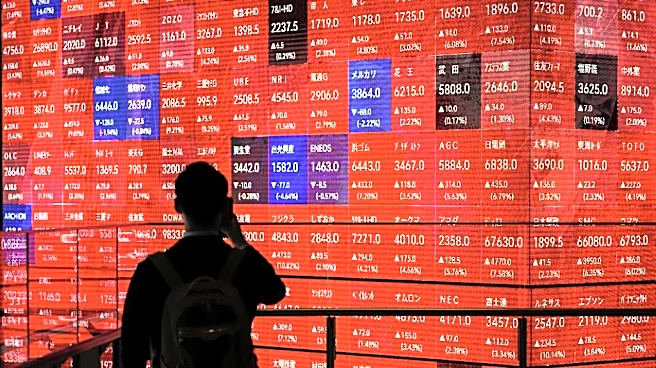
Asian technology and semiconductor stocks experienced a significant surge following a conditional two-week ceasefire agreement between the U.S. and Iran. This development temporarily reopened the Strait of Hormuz, alleviating concerns over helium supply
disruptions crucial for semiconductor manufacturing. Major Asian chipmakers, including Taiwan Semiconductor Manufacturing Company and Semiconductor Manufacturing International, saw their stock prices rise significantly. The ceasefire comes after heightened tensions and threats from President Trump regarding Iranian infrastructure, which had previously led to helium supply concerns due to the closure of the Strait of Hormuz.
Why It's Important?
The ceasefire and subsequent reopening of the Strait of Hormuz are critical for the semiconductor industry, which relies heavily on helium for manufacturing processes. The resolution of supply chain disruptions is expected to stabilize production and potentially lower costs for chipmakers. This development is particularly significant given the ongoing demand for semiconductors driven by AI advancements. The easing of tensions also led to a drop in oil prices, which could reduce inflationary pressures on the semiconductor industry, benefiting both manufacturers and consumers.
What's Next?
While the ceasefire is temporary, it raises hopes for a more permanent resolution to the conflict, which would further stabilize global supply chains. Stakeholders in the semiconductor industry will likely monitor the situation closely, as prolonged peace could lead to sustained growth and investment in the sector. Additionally, the U.S. stock market is expected to react positively, with futures indicating a stronger opening for Wall Street.