



What's Happening?
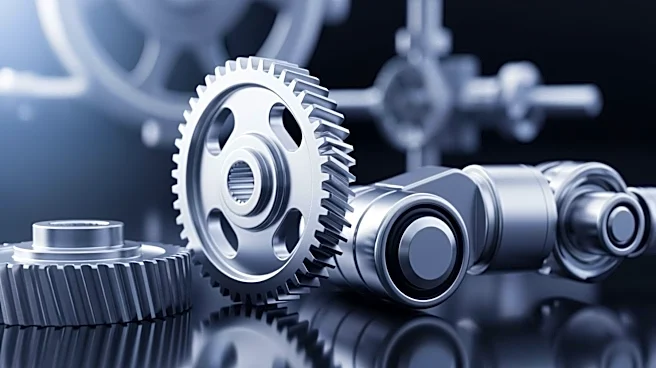
The rapid evolution of robotics and automation technologies is increasingly dependent on precision-engineered components, with Swiss machining emerging as a critical manufacturing method. Swiss machining technology is renowned for producing miniature,
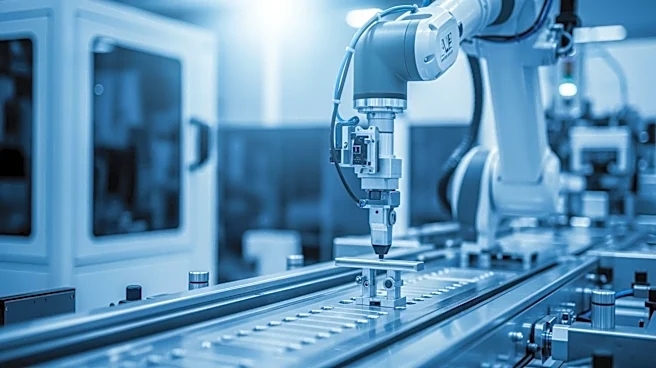
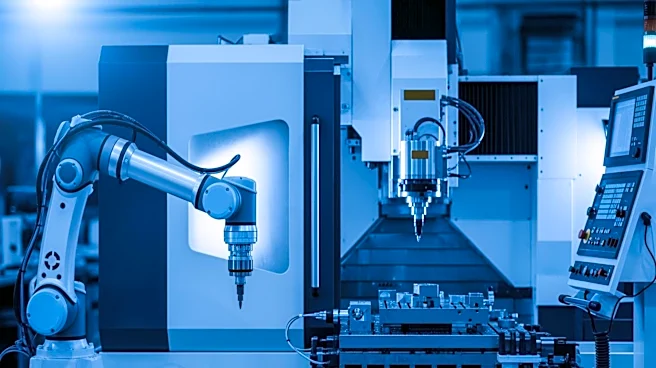
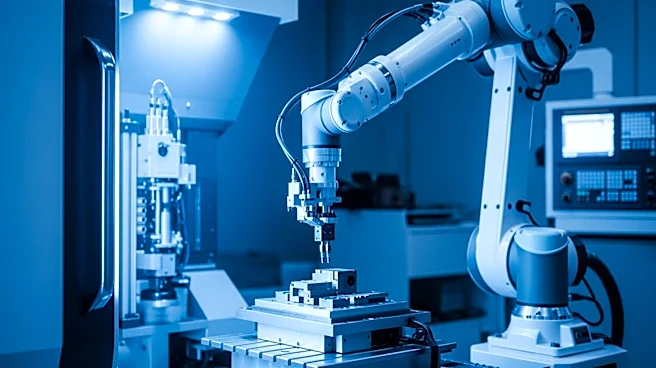
complex, and high-tolerance industrial components, which are essential for the performance of modern automation systems. These systems, which include collaborative robots and sensor-driven manufacturing equipment, require components with exceptional dimensional accuracy and repeatability. Industries such as automotive manufacturing, electronics production, and medical robotics rely heavily on these precision components to maintain operational efficiency and reliability. The demand for such components is driven by the need for motion control stability, precision positioning, and long-term durability in high-speed operations.
Why It's Important?
The significance of precision Swiss machining in robotics and automation lies in its ability to support the increasing complexity and speed of modern manufacturing systems. As industries move towards more autonomous production environments, the need for reliable precision components becomes paramount. Swiss machining provides the necessary tight tolerances and superior surface finishes required for high-speed robotic operations and sensor integration. This technology supports the broader trend of Industry 4.0, where smart manufacturing and industrial IoT systems are becoming more prevalent. The ability to produce high-quality, precision-engineered components ensures that manufacturers can meet the demanding performance expectations of modern automation systems, thereby enhancing productivity and reducing operational costs.
What's Next?
As the demand for advanced automation systems grows, manufacturers are likely to seek long-term partnerships with precision machining suppliers capable of maintaining consistent quality and scalable production capacity. The integration of artificial intelligence and real-time analytics into robotics systems will further increase the need for precision-engineered components. Companies specializing in CNC Swiss machining services will play a crucial role in supporting the next generation of robotics and automation technologies. The continued investment in autonomous systems and intelligent factories will drive the evolution of precision manufacturing, ensuring that it remains a foundational technology in the future of industrial automation.
Beyond the Headlines
The reliance on precision Swiss machining highlights the broader shift towards high-tech manufacturing processes that prioritize quality and efficiency. This trend reflects a cultural and industrial shift towards embracing advanced technologies and automation in production environments. The focus on precision and reliability in component manufacturing also underscores the importance of engineering collaboration and innovation in maintaining competitive advantage in the global market. As industries continue to evolve, the role of precision machining in supporting sustainable industrial growth and technological advancement will become increasingly prominent.