



What's Happening?
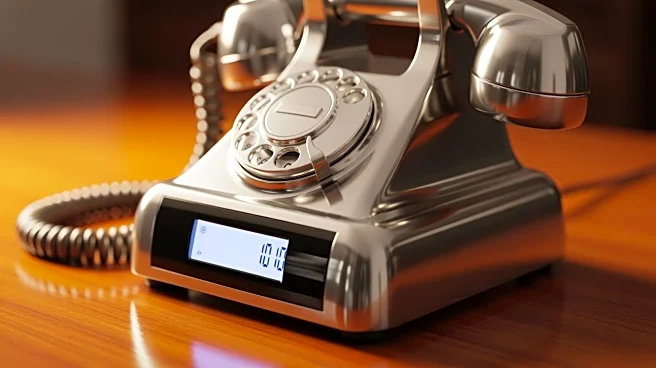
Tech companies are increasingly blending nostalgic designs with modern functionality, reviving retro gadgets that appeal to consumers seeking a break from the digital overload of smartphones and laptops. This trend includes devices like digital typewriters,
boomboxes, cassette players, and instant cameras. Products such as the Freewrite and Pomera offer minimalist writing experiences reminiscent of classic typewriters, while modern boomboxes like the We Are Rewind and Bumpboxx combine vintage aesthetics with features like Bluetooth and rechargeable batteries. Instant cameras from Polaroid and Fujifilm continue to innovate, offering hybrid models that merge digital and film photography. These products cater to a growing market of individuals who appreciate the tactile and aesthetic qualities of older technology.
Why It's Important?
The resurgence of retro technology highlights a cultural shift towards valuing simplicity and tangible experiences in an increasingly digital world. This trend reflects a broader consumer desire for products that offer a break from constant connectivity and digital distractions. For tech companies, this presents an opportunity to tap into a niche market that values nostalgia and the unique charm of older gadgets. By integrating modern features into these devices, companies can attract both older consumers who remember these technologies fondly and younger generations curious about the past. This movement also underscores the potential for innovation within the tech industry by reimagining and updating classic designs.
What's Next?
As the demand for retro-inspired technology grows, more companies are likely to explore this market, potentially leading to a wider range of products that blend old and new. This could include further advancements in hybrid devices that offer both analog and digital functionalities. Additionally, the trend may influence broader design and marketing strategies within the tech industry, encouraging a focus on aesthetics and user experience. Consumer feedback and sales performance will likely guide future developments, with successful products potentially setting new standards for innovation in the tech sector.
Beyond the Headlines
The revival of retro technology also raises questions about sustainability and the lifecycle of consumer electronics. As companies produce new versions of old devices, there is an opportunity to incorporate sustainable practices, such as using recycled materials or designing for longevity. This trend could also inspire a cultural appreciation for the craftsmanship and durability of older technologies, challenging the disposable nature of many modern gadgets. Furthermore, the popularity of these devices may influence broader cultural trends, encouraging a return to simpler, more intentional living.