



What's Happening?
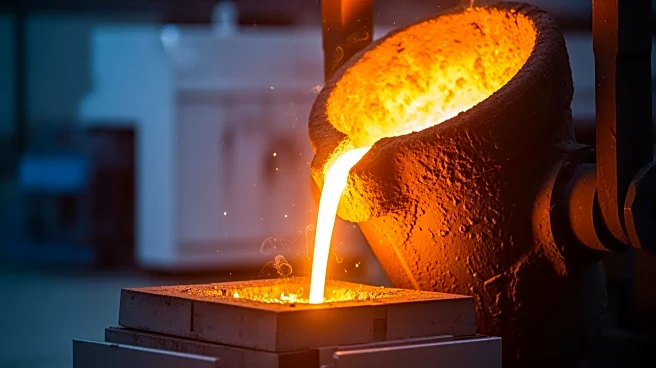
Sweden is making significant progress in producing 100% fossil-free steel, with Volvo aiming to use this steel in all vehicles launched from 2030 onwards. The initiative is part of a collaboration between mining company LKAB, steel producer SSAB, and energy company Vattenfall. The process involves using hydrogen instead of coal in steel production, significantly reducing CO2 emissions. This development is a major step towards sustainable manufacturing and aligns with Volvo's commitment to environmental responsibility.
Why It's Important?
The transition to fossil-free steel is a critical development in reducing the carbon footprint of the automotive and construction industries. Steel production is a major source of global CO2 emissions, and this initiative could
set a precedent for other industries to follow. By committing to fossil-free steel, Volvo is not only enhancing its sustainability credentials but also potentially influencing industry standards and consumer expectations regarding environmentally friendly products.
What's Next?
The success of this initiative could lead to broader adoption of fossil-free steel across various industries. As the technology and processes are refined, other manufacturers may adopt similar practices, further reducing global emissions. Additionally, the collaboration between LKAB, SSAB, and Vattenfall could serve as a model for future partnerships aimed at sustainable innovation.