






What's Happening?
Economists are forecasting that the U.S. Consumer Price Index (CPI) for May will show an annual increase of 4.2%, marking the highest inflation rate since April 2023. This rise is attributed to ongoing price pressures, particularly in energy, exacerbated
by the Iran war and government policies. Core inflation, which excludes food and energy, is expected to rise to 2.9% from 2.8% in April. The data, set to be released by the Bureau of Labor Statistics, reflects a broader trend of elevated inflation that has persisted since the pandemic, with significant impacts on consumer sentiment and economic stability.
Why It's Important?
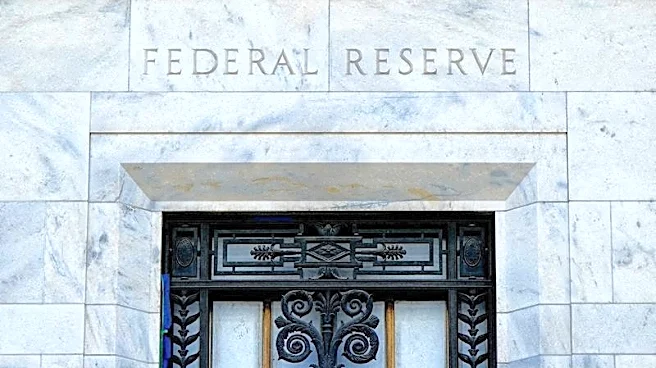
The anticipated rise in inflation is significant as it suggests persistent economic challenges that could influence Federal Reserve policy decisions, particularly regarding interest rates. With inflation well above the Fed's 2% target, there is increased pressure on policymakers to address these economic conditions. The impact is widespread, affecting consumer purchasing power and potentially leading to increased costs across various sectors. The situation underscores the complex interplay between global events, such as the Iran war, and domestic economic policies, highlighting the challenges in stabilizing the economy.
What's Next?
The release of the CPI data will likely prompt reactions from economic stakeholders, including policymakers and financial markets. The Federal Reserve may face calls to adjust interest rates to curb inflation, while businesses and consumers will need to navigate the implications of rising costs. The ongoing geopolitical tensions and their impact on energy prices will continue to be a focal point for economic analysis and policy discussions.