





What's Happening?
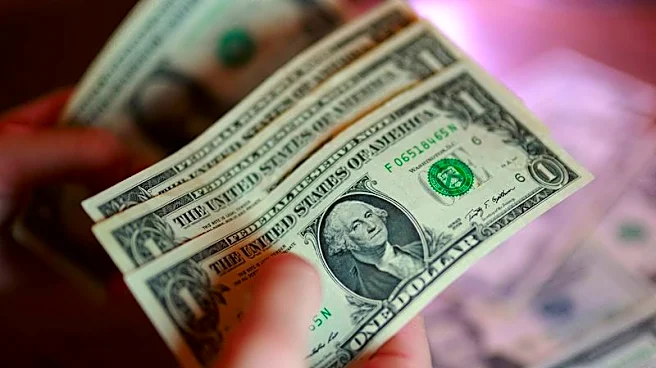
The U.S. dollar has reached its highest level in a week as tensions in the Middle East escalate, leading investors to seek safe havens. The dollar index, which measures the greenback against a basket of six currencies, rose by 0.3% to 98.485. This increase
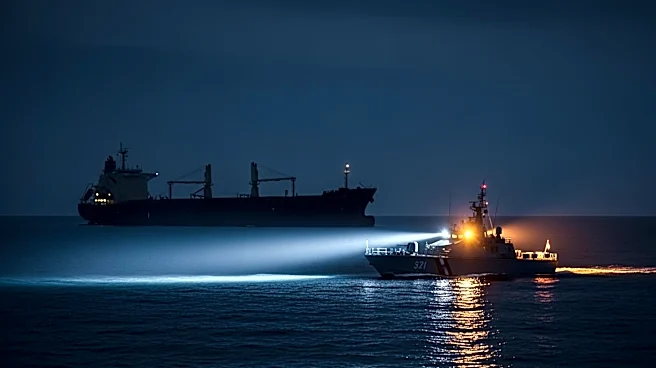
comes after a period of decline due to hopes for a peace deal. The situation intensified after President Trump announced the seizure of an Iranian cargo ship, and Iran's refusal to engage in further peace talks. The euro and British pound both fell by 0.3%, while the U.S. dollar gained against the yen and the Chinese yuan. The Australian and New Zealand dollars also saw declines. Bitcoin and ether experienced a 0.7% drop.
Why It's Important?
The strengthening of the U.S. dollar amid geopolitical tensions highlights the currency's role as a global safe haven. This development could impact international trade and investment flows, as a stronger dollar makes U.S. exports more expensive and imports cheaper. It also affects global markets, as many commodities are priced in dollars. The situation in the Middle East could lead to further volatility in currency markets, influencing economic decisions and policies worldwide. Investors and businesses may need to adjust their strategies in response to these fluctuations.
What's Next?
The ongoing tensions in the Middle East are likely to keep the dollar strong in the short term. However, any resolution or escalation in the conflict could lead to significant shifts in currency values. Market participants will be closely monitoring developments, including potential diplomatic efforts or military actions. Analysts suggest that the dollar's strength may have limited room to grow unless the situation deteriorates further. Investors may also look for opportunities to re-establish short dollar positions if the geopolitical landscape stabilizes.