
What's Happening?
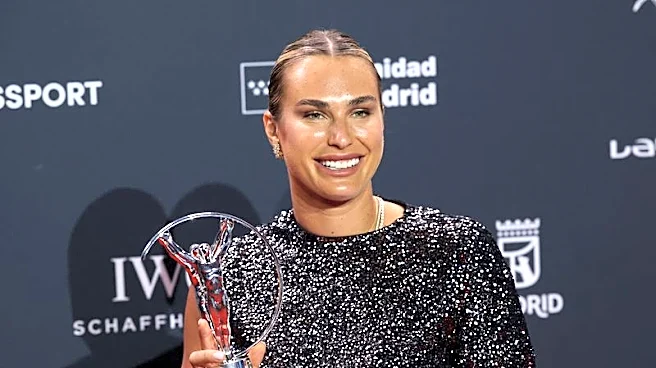
Top-ranked tennis player Aryna Sabalenka has called for a potential boycott of Grand Slam tournaments if players do not receive a larger share of the revenue. This sentiment is echoed by other leading
players, including Coco Gauff, Elena Rybakina, and Jasmine Paolini. The players have expressed dissatisfaction with the current distribution of prize money, despite an overall increase in the total prize pool. They argue that their share of the revenue has decreased, citing a decline from 15.5% in 2024 to a projected 14.9% in 2026 at the French Open. The players are also advocating for better representation, health options, and pensions from the Grand Slam tournaments.
Why It's Important?
The call for a boycott highlights ongoing tensions between players and tournament organizers over financial compensation. The players' demands for a larger share of revenue reflect broader concerns about fair compensation and benefits in professional sports. If successful, this movement could lead to significant changes in how revenue is distributed in tennis, potentially setting a precedent for other sports. The situation underscores the importance of collective bargaining and unionization in achieving equitable treatment for athletes. A boycott could disrupt major tournaments, affecting sponsors, broadcasters, and fans, and could pressure organizers to address the players' concerns.
What's Next?
As the French Open approaches, discussions between players and tournament organizers are likely to intensify. Players may seek to negotiate better terms before the tournament begins on May 24. The outcome of these negotiations could influence the players' decision to proceed with a boycott. If a boycott occurs, it could lead to significant disruptions in the tournament schedule and impact the financial interests of stakeholders involved. The situation may also prompt other sports organizations to reevaluate their revenue-sharing models to prevent similar conflicts.