


What's Happening?
Pamela Anderson has partnered with AEO's Aerie to launch a new campaign that emphasizes the brand's commitment to authenticity by banning AI-generated models. The campaign, which is an extension of Aerie's mission initiated last October, features Anderson advocating
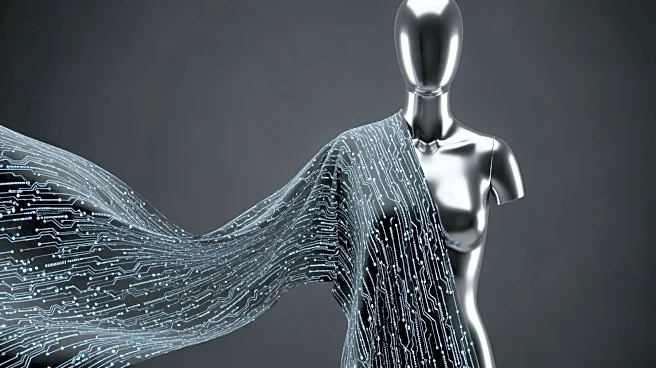
for real human representation in modeling. The campaign video showcases Anderson's dissatisfaction with artificial models, urging for more natural and joyful representations. Aerie has described Anderson as a fitting partner due to her personal stance on authenticity and transparency. The campaign comes in response to recent backlash against AI-generated ads, such as those released by Gucci during Milan Fashion Week.
Why It's Important?
The collaboration between Pamela Anderson and Aerie highlights a growing trend in the fashion industry towards authenticity and transparency. By rejecting AI-generated models, Aerie is positioning itself as a brand that values real human diversity and imperfection, which could resonate with consumers seeking genuine representation. This move may influence other brands to reconsider their use of AI in advertising, potentially leading to a shift in industry standards. The campaign also reflects broader societal concerns about the impact of AI on human creativity and individuality, emphasizing the irreplaceable nature of human expression.
What's Next?
As Aerie's campaign gains traction, it may prompt other fashion brands to evaluate their advertising strategies and consider similar commitments to authenticity. The industry could see increased discussions around the ethical implications of AI in modeling and advertising. Consumer reactions to the campaign will likely influence future marketing approaches, potentially leading to a broader movement against AI-generated content in fashion. Stakeholders, including fashion designers and marketers, may need to adapt to changing consumer expectations for genuine representation.
Beyond the Headlines
The campaign raises important ethical questions about the role of AI in creative industries. It challenges the notion that technology can fully replicate human artistry and emotional depth. This development could spark debates about the balance between technological advancement and preserving human uniqueness in art and performance. Additionally, it may encourage consumers to critically assess the authenticity of the content they engage with, fostering a more discerning audience.