






What's Happening?
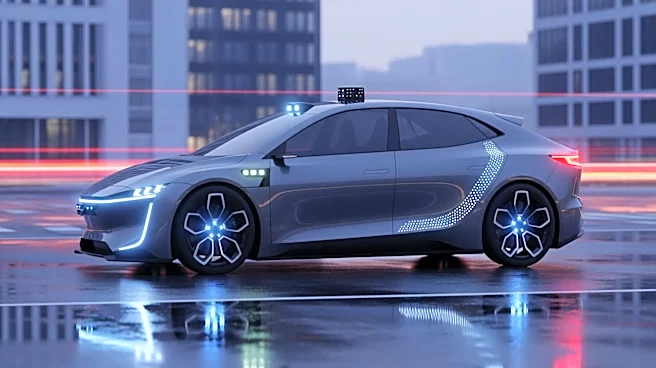
The 2026 APTA Workforce Summit, held in Salt Lake City, focused on the integration of artificial intelligence (AI) and autonomous vehicles (AVs) in public transportation. The summit addressed challenges in workforce recruitment, retention, and reskilling,
emphasizing the need for developing apprenticeship pipelines and responsibly integrating AI into transit environments. Key discussions included the impact of AI on scheduling, customer information, predictive maintenance, and service. Notable speakers, such as Nathaniel P. Ford Sr. of Jacksonville Transit Authority and Tiffany J. Gunter of Suburban Mobility Authority for Regional Transportation, shared insights on modernizing systems and the potential for data commercialization. The summit underscored the importance of preparing the workforce for technological advancements while ensuring privacy and empowerment.
Why It's Important?
The integration of AI and AVs in public transportation represents a significant shift in the industry, with potential impacts on efficiency, safety, and customer service. As public transit systems modernize, there is a critical need to ensure that the workforce is equipped with the necessary skills to adapt to new technologies. This transition could lead to improved service delivery and operational efficiency, benefiting both transit agencies and passengers. However, it also poses challenges in terms of workforce displacement and the need for reskilling. The summit's focus on workforce development highlights the importance of investing in human capital to ensure a smooth transition to a technology-driven future.
What's Next?
As the public transportation industry continues to evolve, agencies are likely to increase investments in AI and AV technologies. This will necessitate ongoing efforts to reskill and upskill the workforce, potentially through partnerships with educational institutions and industry certifications. The success of these initiatives will depend on collaboration between transit agencies, policymakers, and labor organizations. Additionally, the industry will need to address privacy concerns related to data collection and usage, ensuring that technological advancements do not compromise passenger trust.