






What's Happening?
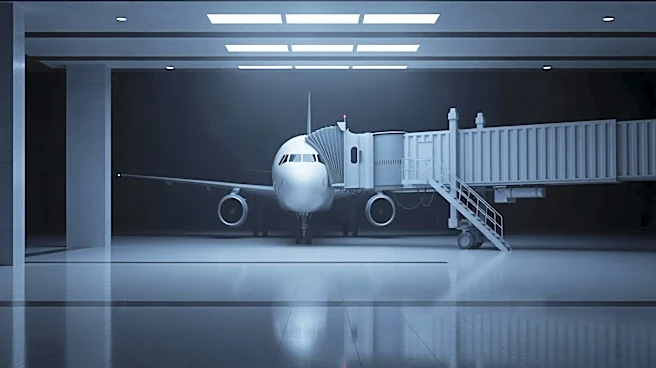
Spirit Airlines has ceased operations after failing to secure a $500 million bailout from the Trump administration, following its second bankruptcy filing in two years. The airline, known for its low-cost fares, was losing $1.61 for every $1 earned, with
an operating margin of -61.2%. The surge in jet fuel prices, exacerbated by the Iran war, significantly impacted Spirit's financial stability. Despite efforts to manage costs, including potential mergers and operational adjustments, the airline could not overcome its financial challenges. The White House attributed part of Spirit's downfall to the Biden administration's opposition to a merger with JetBlue.
Why It's Important?
Spirit Airlines' shutdown highlights the severe impact of rising fuel costs and geopolitical tensions on the airline industry, particularly for budget carriers with tight margins. The closure affects over 17,000 employees and disrupts travel plans for thousands of passengers. It underscores the importance of financial resilience and strategic planning in the airline sector, especially in volatile economic conditions. The situation also raises questions about government intervention and support for struggling industries, as well as the broader implications for competition and consumer choice in the airline market.
What's Next?
The airline industry may see further consolidation as carriers seek to strengthen their financial positions and reduce operational risks. Regulatory scrutiny of mergers and acquisitions could intensify, impacting future industry dynamics. Affected Spirit employees and passengers will need to seek alternatives, potentially increasing demand for other low-cost carriers. The situation may prompt discussions on policy measures to support the airline industry and address the challenges posed by fluctuating fuel prices and geopolitical uncertainties.