






What's Happening?
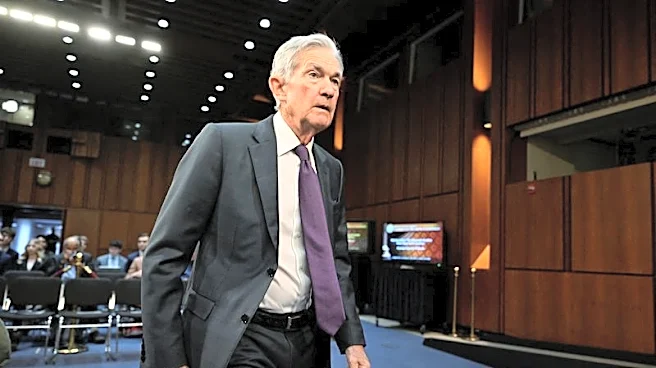
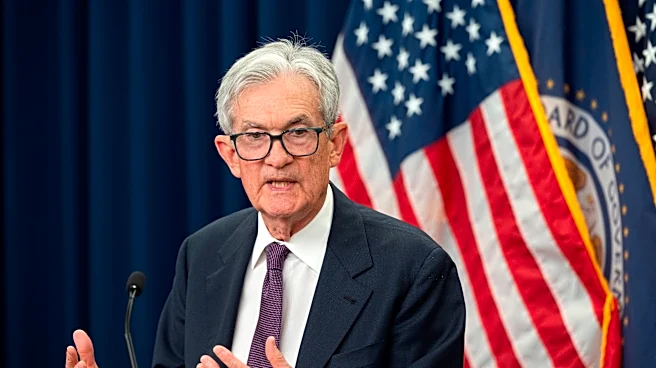
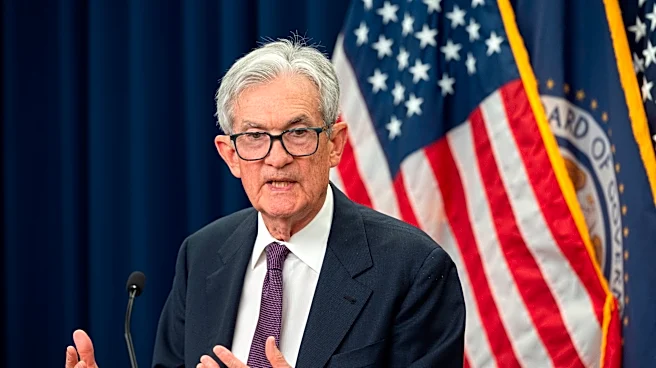
Kevin Warsh, nominated by President Trump to become the next Federal Reserve Chair, is poised to bring significant changes to the Federal Reserve's policies. Warsh, who previously served on the Board of Governors of the Federal Reserve, testified before
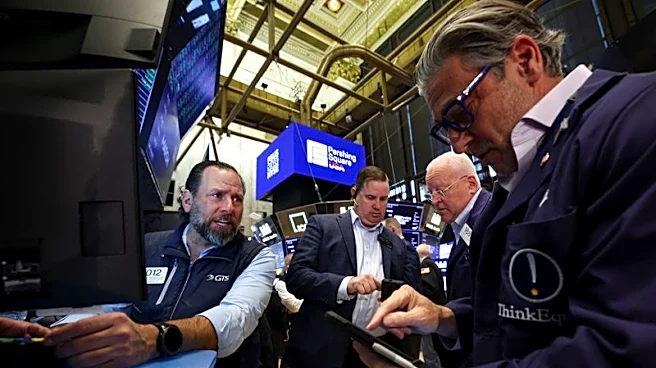
the Senate Banking Committee, outlining his plans to overhaul the central bank's approach to inflation and its balance sheet. He suggested moving away from the traditional 2% inflation target to a more flexible definition, which could result in prolonged higher interest rates. Warsh also proposed reducing the Fed's $6.7 trillion balance sheet, which could increase borrowing costs. These changes could disrupt the stock market, which thrives on predictability and has been buoyed by expectations of lower interest rates.
Why It's Important?
Warsh's proposed changes could have significant implications for the U.S. economy and financial markets. By redefining inflation targets and reducing the Fed's balance sheet, borrowing costs could rise, potentially slowing economic growth. This shift could particularly impact tech companies and other sectors reliant on low borrowing costs. The stock market, currently at high valuations, may face increased volatility and uncertainty. Warsh's approach marks a departure from the policies of current Fed Chair Jerome Powell, who has maintained a steady course on inflation and interest rates. The potential for higher rates and reduced market intervention by the Fed could lead to a reevaluation of investment strategies across Wall Street.
What's Next?
If confirmed, Warsh's leadership could usher in a period of adjustment for the Federal Reserve and financial markets. Investors and businesses may need to adapt to a new monetary policy landscape characterized by less predictability and potentially higher interest rates. The Senate's decision on Warsh's confirmation will be closely watched, as it will determine the future direction of U.S. monetary policy. Stakeholders, including political leaders and financial institutions, will likely engage in discussions and analyses to prepare for the potential impacts of Warsh's proposed changes.