







What's Happening?
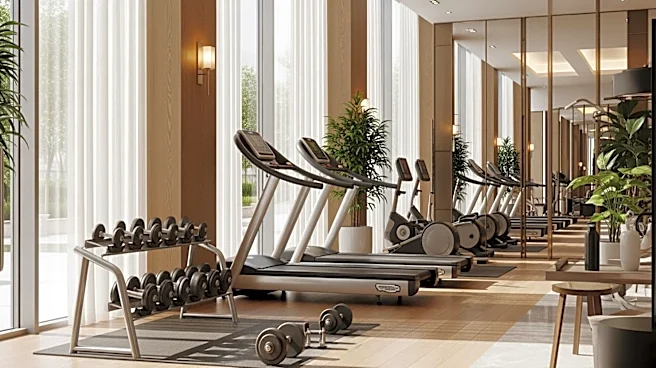
The luxury hotel industry is increasingly integrating fitness and wellness as core components of their offerings, driven by the growing global wellness tourism market, which reached $894 billion in 2024. This shift is characterized by the transformation
of traditional spa services into comprehensive wellness experiences that include fitness facilities, recovery services, and nutrition programs. Hotels are adapting to meet the demands of health-conscious travelers, particularly Millennials and Gen Z, who prioritize maintaining their fitness routines while traveling. This trend is further supported by the entry of luxury fitness club brands into the hospitality sector, blurring the lines between hotels, clubs, and fitness centers.
Why It's Important?
The integration of fitness and wellness into luxury hotels is significant as it aligns with the increasing consumer demand for health-focused travel experiences. This trend allows hotels to command higher average daily rates (ADR) and achieve stronger occupancy rates, particularly during off-peak periods. By offering extensive wellness services, luxury hotels can differentiate themselves from competitors and attract a growing segment of wellness travelers who outspend traditional tourists. This shift not only enhances profitability but also positions hotels to capitalize on the projected growth of the wellness tourism market, which is expected to continue expanding at a compound annual rate of 9.1% until 2029.
What's Next?
Hotels seeking to capitalize on the fitness-driven trend must consider operational adjustments, such as space planning for performance platforms, programming for fitness classes, and labor models that include specialist roles. Additionally, hotels may explore membership schemes and access control policies to manage guest and member interactions. As the demand for wellness travel continues to rise, hotels that successfully integrate fitness and wellness into their offerings are likely to see increased guest loyalty and non-room revenue, contributing to overall asset performance.
Beyond the Headlines
The rise of fitness-driven hotels reflects broader cultural shifts towards health and wellness as integral aspects of daily life. This trend highlights the evolving expectations of travelers who seek personalized and immersive experiences that support their wellness goals. The 'clubification' of hospitality, where hotels adopt elements of luxury health clubs, underscores the importance of creating environments that cater to both hotel guests and local members. This approach not only enhances the guest experience but also fosters a sense of community and belonging, which can be a key differentiator in the competitive hospitality market.