




What's Happening?
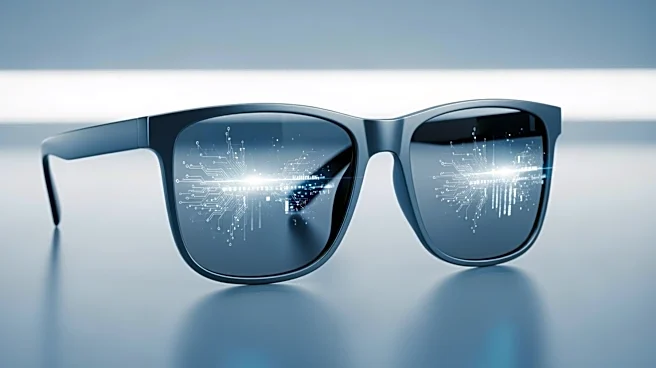
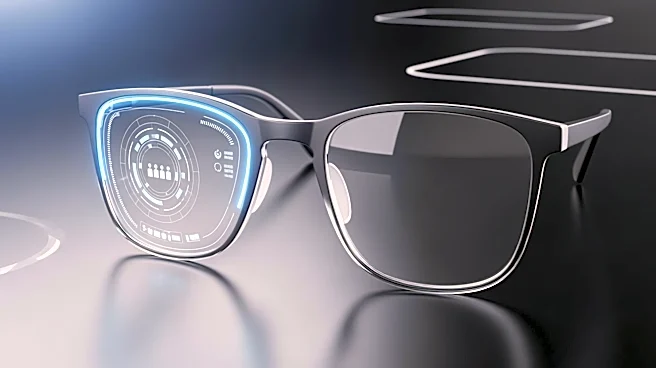
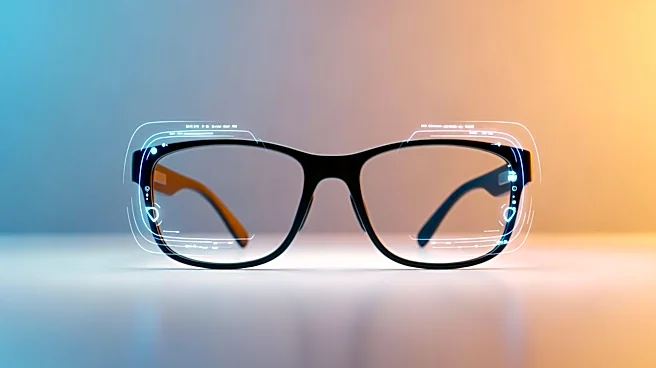
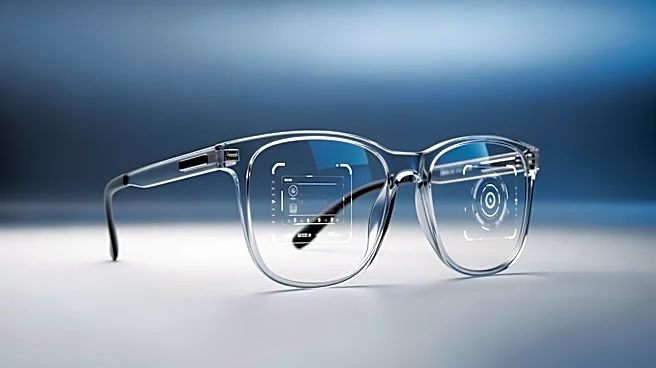
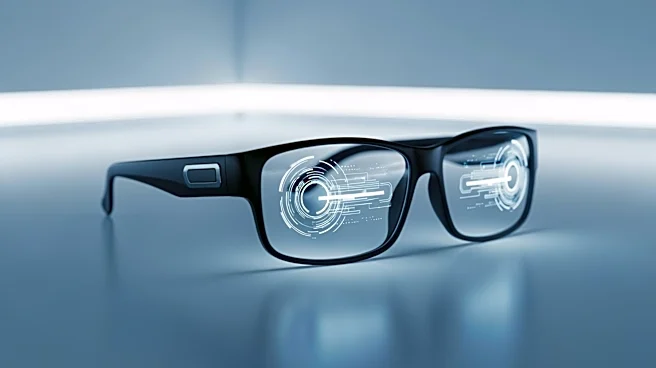
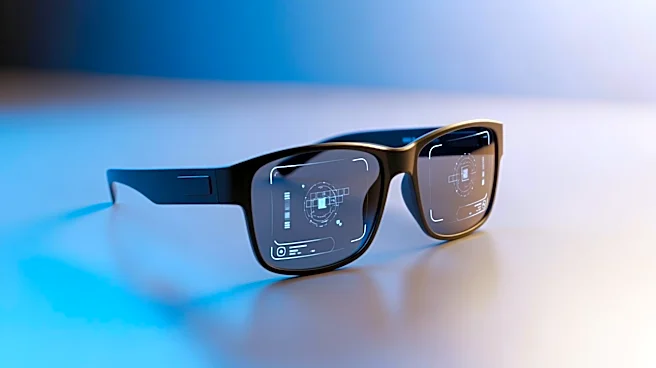
Several tech companies are gearing up for significant augmented reality (AR) product releases in 2026, with a focus on consumer accessibility and market leadership. Notable developments include a collaboration between Warby Parker and Google on AI-powered
smart glasses, and RayNeo's claim of a 39% market share in AR glasses. Meta has paused some Ray-Ban Display rollouts due to supply chain issues, highlighting the challenges in hardware logistics. These moves are part of a broader trend where companies like Apple and Snap are exploring new designs and consumer-friendly AR solutions, aiming to integrate AR more seamlessly into daily life.
Why It's Important?
The advancements in AR technology are poised to reshape consumer electronics and retail experiences. By making AR more accessible and affordable, companies are targeting a broader consumer base, potentially replacing traditional devices like smartphones. This shift could lead to new retail partnerships and faster hardware cycles, impacting how consumers interact with technology. Companies that successfully navigate these changes stand to gain significant market share, while those that fail to adapt may struggle to compete.
What's Next?
As these AR products approach their 2026 release dates, companies will likely focus on refining their supply chains and marketing strategies to ensure successful launches. Developers and consumers will need to decide whether to invest in these first-wave products or wait for subsequent iterations. The industry will also watch how legacy brands respond to new market leaders like RayNeo, which could influence pricing and product features.