




What's Happening?
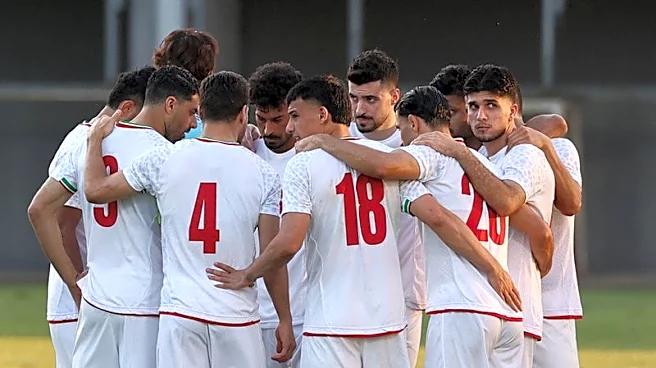
Bosnia and Herzegovina's national soccer team is set to begin its World Cup campaign with strong support from the Bosnian community in St. Louis, Missouri. The city, home to an estimated 60,000-70,000 Bosnians, has become a hub for the diaspora since
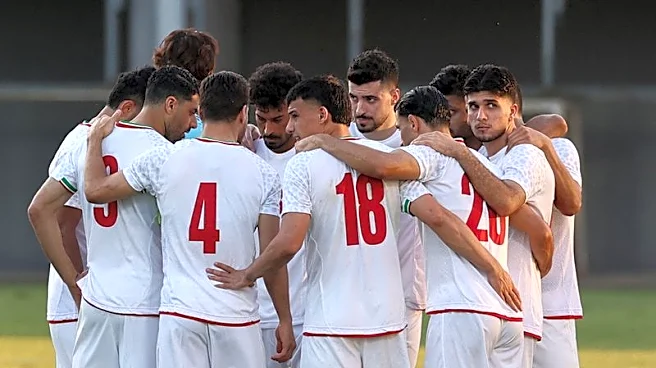
the Bosnian War in the early 1990s. Bosnia will play an international friendly against Panama in St. Louis before participating in World Cup group matches in Toronto, Los Angeles, and Seattle. The team, led by captain Edin Džeko and young winger Kerim Alajbegović, qualified for the World Cup by defeating Italy. The Bosnian community in St. Louis, known as 'Little Bosnia,' is characterized by its cultural vibrancy and strong ties to its homeland, with many residents having fled the war and rebuilt their lives in the U.S.
Why It's Important?
The presence of Bosnia's national team in St. Louis highlights the significant cultural and social impact of the Bosnian community in the American Midwest. This event underscores the role of sports in uniting diaspora communities and fostering a sense of national pride and identity. The Bosnian community's support for their national team reflects broader themes of resilience and cultural preservation among immigrant communities in the U.S. Additionally, the event brings attention to the historical context of the Bosnian War and the ongoing connections between Bosnian-Americans and their homeland. The World Cup matches also provide an opportunity for cultural exchange and increased visibility for the Bosnian community in the U.S.
Beyond the Headlines
The Bosnian community in St. Louis serves as a reminder of the long-lasting effects of conflict and displacement, as well as the capacity for communities to rebuild and thrive in new environments. The cultural imprint of Bosnians in St. Louis is evident in local businesses, cultural institutions, and community events, contributing to the city's diversity. The World Cup serves as a platform for highlighting these contributions and fostering greater understanding and appreciation of Bosnian culture. The event also raises awareness of the historical and ongoing challenges faced by refugees and immigrants, emphasizing the importance of supportive policies and inclusive communities.