





What's Happening?
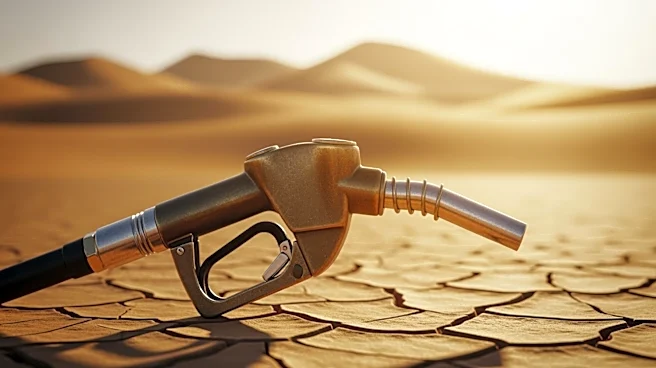
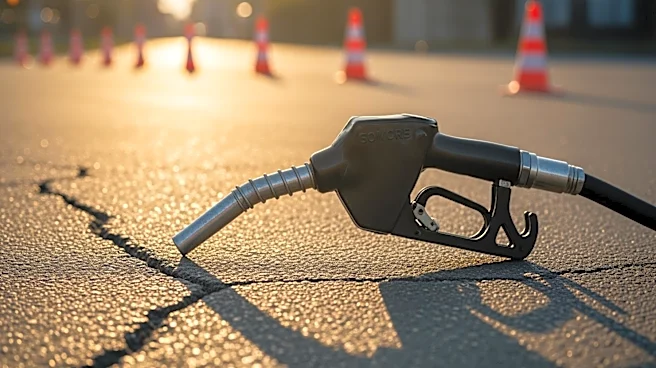
The oil industry has issued a warning to the White House about a potential surge in gas prices, which could exceed $5 per gallon by late summer. This warning comes as commercial stockpiles and the Strategic Petroleum Reserve are nearing historically low
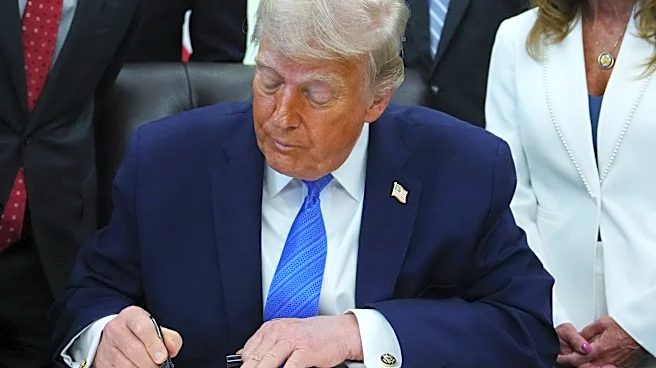
levels. The situation is exacerbated by the ongoing conflict in Iran, which is affecting traffic through the Strait of Hormuz, a critical route for global oil supply. Despite recent dips in gas prices, attributed to reserve releases and regulatory waivers, industry leaders, including American Petroleum Institute chief Mike Sommers, express concern that the administration is underestimating the rapid depletion of inventories and the limited tanker traffic. President Trump has downplayed these concerns, suggesting that oil prices will drop significantly once the conflict ends.
Why It's Important?
The potential increase in gas prices could have significant economic and political implications. A rise in fuel costs would likely impact consumer spending and inflation, which is already at a three-year high. This could further erode President Trump's approval ratings ahead of the midterm elections. Additionally, higher gas prices could strain household budgets and increase operational costs for businesses reliant on transportation. The situation underscores the vulnerability of the U.S. energy supply chain to geopolitical tensions and highlights the importance of strategic reserves in stabilizing domestic markets.
What's Next?
If gas prices do spike, it could prompt a range of responses from the government and industry stakeholders. The administration may consider additional releases from the Strategic Petroleum Reserve or implement further regulatory measures to mitigate the impact. Political leaders might also face increased pressure to address energy independence and explore alternative energy sources. The oil industry will likely continue to monitor inventory levels closely and advocate for policies that support stable supply chains.