


What's Happening?
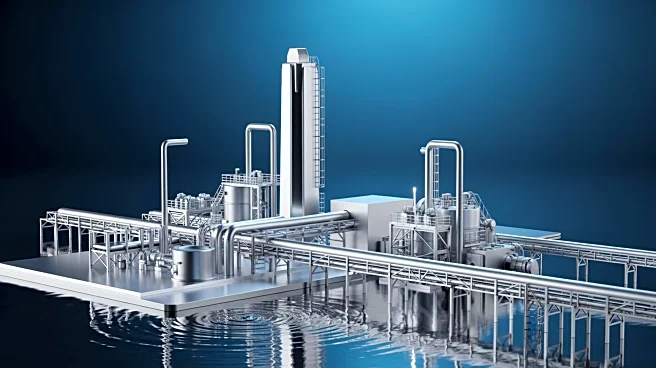
First Atlantic Nickel Corp. has been accepted into the U.S. Defense Industrial Base Consortium (DIBC), a move aimed at addressing the midstream smelting bottleneck in the U.S. defense supply chain. The company is developing the Pipestone XL Smelter-Free
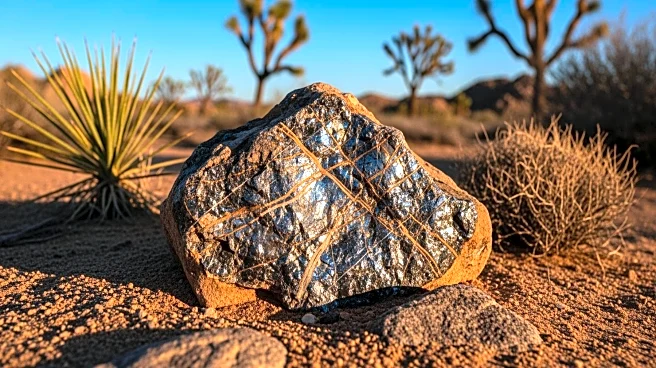
Nickel-Cobalt Alloy Project, which focuses on producing nickel and cobalt without the need for smelting. This project is significant as the U.S. currently lacks domestic nickel smelting capacity, with only two operational smelters in Canada. The project utilizes awaruite, a naturally occurring nickel-iron-cobalt alloy, which can be processed directly at the mine site, bypassing traditional smelting processes. This development is crucial as the U.S. faces a projected nickel supply deficit of over 740,000 tonnes by 2035.
Why It's Important?
The acceptance of First Atlantic Nickel into the DIBC is a strategic move to strengthen the U.S. defense supply chain by reducing reliance on foreign nickel processing. Nickel is a critical mineral for defense applications, including aerospace alloys and lithium-ion batteries. The Pipestone XL project offers a sustainable and efficient solution to produce high-grade nickel concentrate, which can be directly refined into battery chemicals or specialty alloys. This initiative supports the U.S. government's efforts to secure domestic sources of critical minerals, enhancing national security and economic stability. The project also aligns with the U.S. Advanced Manufacturing Production Credit, which incentivizes domestic production of critical minerals.
What's Next?
First Atlantic Nickel's participation in the DIBC opens opportunities for further collaboration with the U.S. government and private sector partners. The company plans to advance its exploration and development activities, aiming to establish a reliable source of nickel for the North American market. The project is expected to contribute to the U.S. defense industrial base by providing a stable supply of nickel and cobalt, essential for various defense and energy storage applications. As the project progresses, it may attract additional investments and partnerships, further bolstering the U.S. critical minerals supply chain.