
What's Happening?
Director Christopher Nolan is set to release his adaptation of Homer's epic poem 'The Odyssey,' which he describes as the most extreme version of the story he could create. In a recent interview, Nolan emphasized
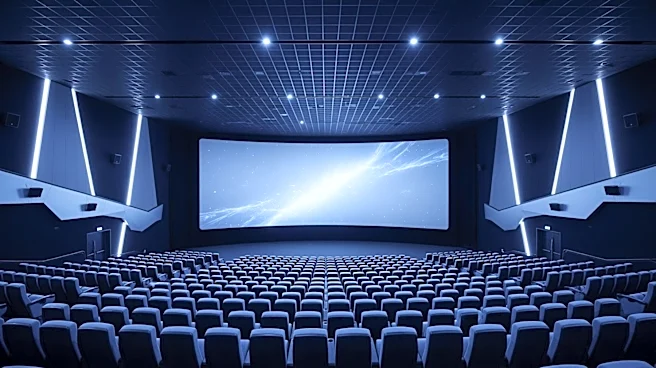
his commitment to immersing audiences in the narrative by shooting the entire film in IMAX, a first for any movie. He aims to provide viewers with a visceral experience, placing them directly into the story's setting, such as the deck of Odysseus's ship. Nolan, who also wrote the screenplay, shared insights into his creative process, highlighting his approach of visualizing the film from an audience's perspective. The film, which involved shooting two million feet of IMAX film, is described as one of the most challenging projects Nolan has undertaken.
Why It's Important?
Nolan's adaptation of 'The Odyssey' represents a significant advancement in cinematic storytelling, particularly through its exclusive use of IMAX technology. This approach not only pushes the boundaries of visual storytelling but also sets a new standard for immersive cinema experiences. The film's release is likely to influence future productions, encouraging filmmakers to explore innovative techniques to engage audiences more deeply. Additionally, the project underscores the growing trend of adapting classic literature into modern cinematic formats, potentially broadening the appeal of such stories to contemporary audiences. The film's ambitious scope and technical achievements could also impact the film industry by setting new benchmarks for production quality and audience engagement.
What's Next?
As 'The Odyssey' approaches its release date, anticipation is building among both audiences and industry professionals. The film is scheduled to hit theaters on July 17, and its performance could influence future decisions regarding the use of IMAX technology in filmmaking. Industry stakeholders will be closely watching to see if Nolan's approach resonates with audiences and if it translates into box office success. The film's reception may also impact the strategies of other directors and studios considering similar large-scale, immersive projects. Additionally, the film's success could lead to increased interest in adapting other classic literary works using advanced cinematic techniques.