



What's Happening?
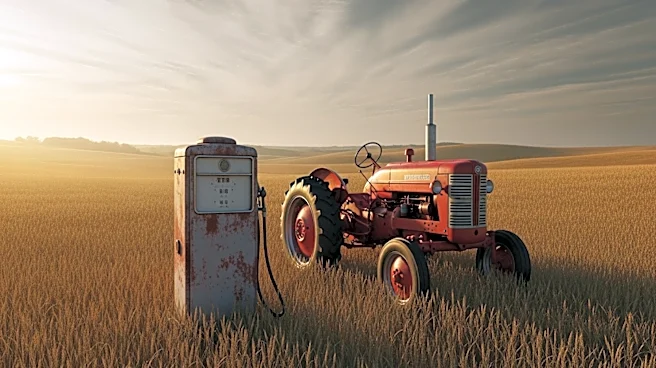
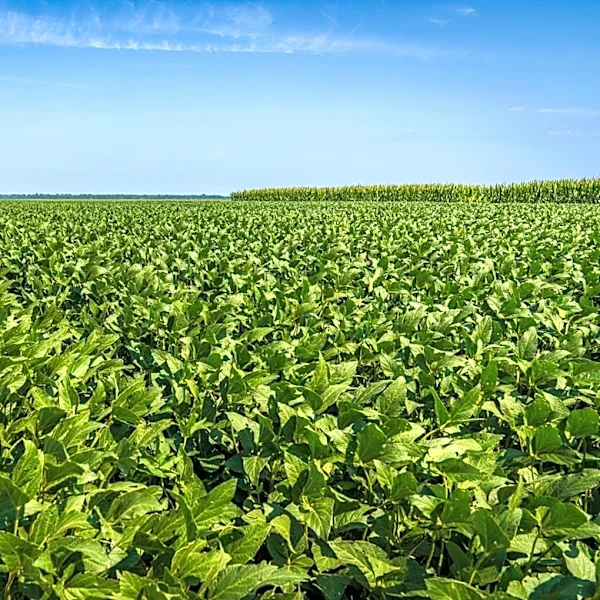
High energy costs are significantly affecting grain and soybean farmers across the U.S. farm belt due to the ongoing conflict in Iran, which has disrupted fuel supplies through the Strait of Hormuz. This disruption has led to record-high diesel prices
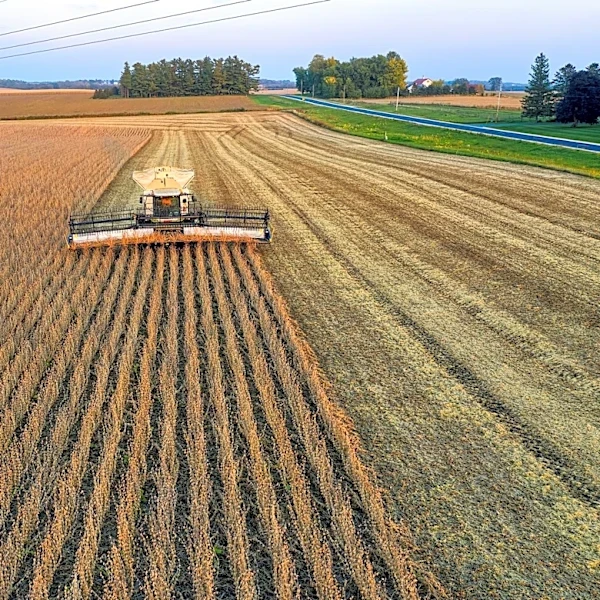
in key agricultural states, exacerbating the financial strain on farmers who were already facing challenges from a resurgent drought, high input costs, and the effects of trade policies under President Trump. Diesel prices have surged over 40% nationally since the conflict began, with states like Wisconsin, Indiana, and Illinois experiencing unprecedented price hikes. Farmers, who rely heavily on diesel for machinery, are struggling to manage increased costs, which could rise to 5% to 6% of total input costs if current prices persist.
Why It's Important?
The rising fuel prices pose a significant threat to the agricultural sector, which is a critical component of the U.S. economy. Farmers are facing shrinking profit margins as they contend with high input costs and falling crop prices. The increased cost of diesel, a vital resource for farm operations, could lead to reduced agricultural productivity and financial losses for farmers. This situation may also impact food prices and supply chains, affecting consumers nationwide. The ongoing conflict in Iran and its impact on global oil supplies highlight the vulnerability of the agricultural sector to geopolitical events and energy market fluctuations.
What's Next?
If the conflict in Iran continues, fuel prices may rise further, putting additional pressure on farmers. The U.S. Energy Information Administration has reported a significant drop in distillate fuel oil inventories, indicating a tightening supply that could exacerbate the situation. Farmers may need to adjust their operations, potentially reducing production or delaying fieldwork to manage costs. The agricultural sector will be closely monitoring developments in the Middle East and any potential negotiations that could stabilize fuel prices. Policymakers may also need to consider measures to support farmers during this challenging period.