






What's Happening?
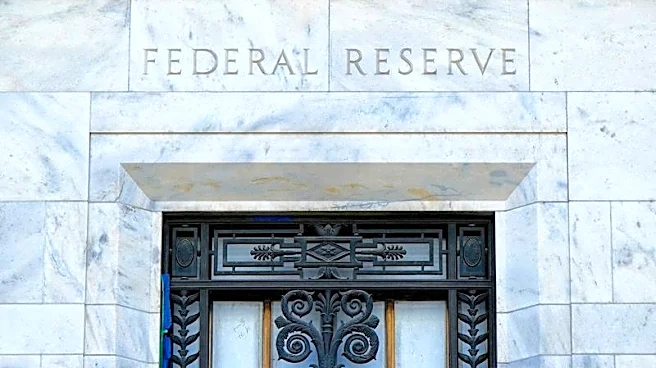
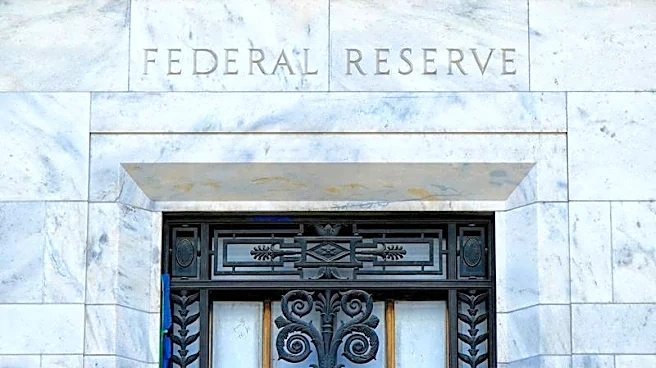
The Federal Reserve is considering potential interest rate cuts following a temporary ceasefire in the Iran conflict, which has eased some inflation concerns. Despite this, uncertainty remains high due to ongoing geopolitical tensions, including Israeli
airstrikes on Lebanon and Iranian actions against a Saudi oil pipeline. Interest-rate futures currently reflect a 25% chance of a rate cut by year-end, a decrease from the 65% chance immediately after the ceasefire announcement. Fed policymakers are cautious, noting that a temporary inflation spike does not warrant immediate rate changes, but sustained high prices could force difficult decisions.
Why It's Important?
The potential for interest rate cuts by the Federal Reserve is significant for the U.S. economy, as it could lower borrowing costs and stimulate economic activity. However, the ongoing geopolitical instability poses risks to this outlook. The Fed's decision-making is complicated by the need to balance inflation control with economic support. The situation also affects global markets, with shifts in central bank expectations in Europe and the UK. The Fed's approach will be crucial in determining economic stability and growth in the coming months.
What's Next?
The Federal Reserve will continue to assess the geopolitical situation and its economic implications. Upcoming data on consumer prices will be critical in shaping future policy decisions. The Fed's March meeting minutes indicate a willingness to adjust rates if inflation remains high. Meanwhile, a U.S. delegation is heading to Pakistan for peace talks, which could influence the ceasefire's longevity and subsequent economic conditions. The Fed's response will depend on these developments and their impact on inflation and economic growth.