






What's Happening?
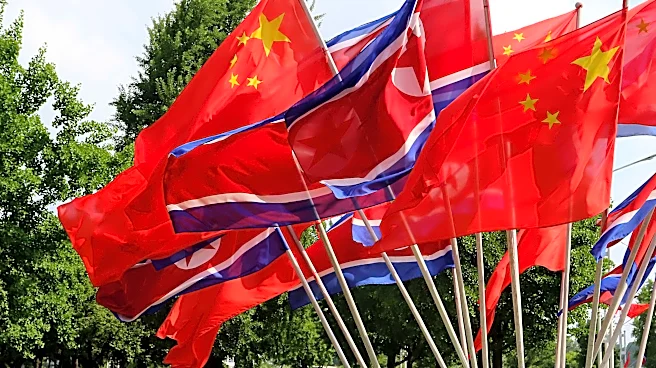
A recent report highlights a growing trend of Chinese buyers purchasing tungsten from U.S. scrap yards for stockpiling, a practice that has been ongoing since early 2025. Tungsten, a critical mineral with significant military applications, is experiencing
global shortages due to increased demand from major economies seeking to control and stockpile defense-critical minerals. China, which accounts for over half of the global supply and demand for tungsten, has reduced its mining quotas, prompting Chinese buyers to seek tungsten from other countries, including the U.S. Despite China's ban on importing tungsten scrap, it allows for processing in other countries before re-importation. The U.S. is developing a tungsten strategy, supported by financing from the U.S. International Development Finance Corporation and the Export-Import Bank of the U.S., to finance projects and stockpile the mineral. Cove Capital, a private equity firm, has received significant funding for tungsten projects in Kazakhstan.
Why It's Important?
The competition for tungsten underscores its critical role in defense and technology sectors. As global demand increases and supply becomes constrained, the U.S. and China are vying for control over this strategic resource. The U.S. aims to secure its supply chain by investing in overseas projects and increasing domestic stockpiles, which could enhance national security and technological capabilities. The situation also highlights the broader geopolitical struggle for control over critical minerals, which are essential for modern military and technological applications. The outcome of this competition could significantly impact global supply chains and economic stability, particularly in industries reliant on tungsten.
What's Next?
The U.S. is likely to continue its efforts to secure tungsten supplies through strategic investments and partnerships. This may involve further financial backing for international projects and potential policy measures to restrict the export of tungsten scrap. As the global demand for tungsten remains high, other countries may also enter the competition, potentially leading to new alliances or trade tensions. The development of alternative sources or substitutes for tungsten could also become a focus for research and innovation, aiming to reduce dependency on limited global supplies.