

What's Happening?
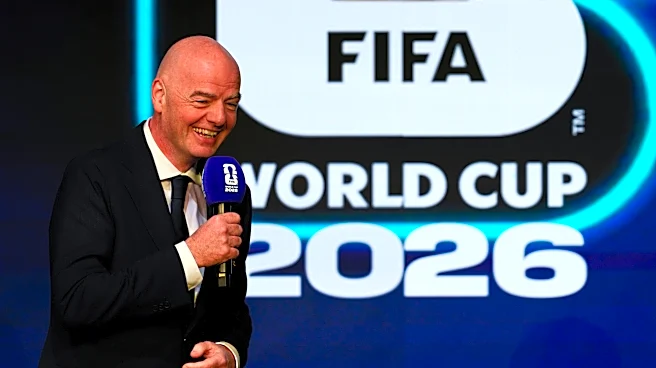
The 2026 FIFA World Cup is set to feature a historic halftime show during its final match, with performances by global music icons BTS, Madonna, and Shakira. This event, curated by Chris Martin of Coldplay, will take place on July 19 at MetLife Stadium
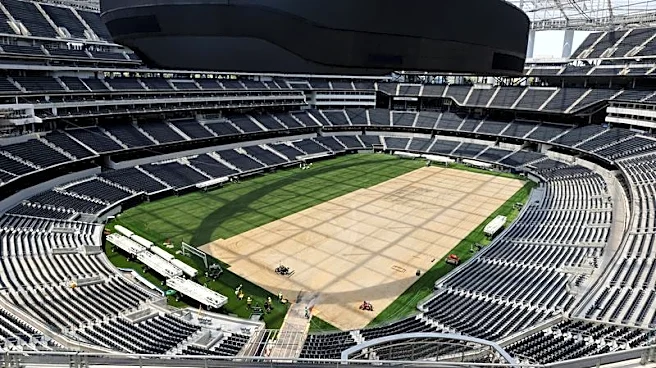
in East Rutherford, New Jersey. It marks the first time a World Cup final will include a halftime program. The announcement was made by Global Citizen, highlighting the inclusion of these artists as part of a broader lineup of musical performances throughout the tournament. The World Cup will kick off on June 11 and conclude with the final game, featuring various artists performing at different venues worldwide. Notable performances include Katy Perry and Future at SoFi Stadium in Los Angeles and Michael Bublé and Alanis Morissette in Toronto.
Why It's Important?
The inclusion of a halftime show at the World Cup final represents a significant cultural milestone, blending the worlds of sports and entertainment on a global stage. This move is likely to enhance the viewer experience, drawing in audiences who may not typically watch soccer but are fans of the performing artists. The event underscores the growing influence of K-pop and international music in mainstream entertainment, potentially boosting the global profiles of the artists involved. For the U.S., hosting such a high-profile event at MetLife Stadium could have economic benefits, attracting tourism and media attention. The performances also reflect the increasing trend of integrating major musical acts into sporting events, which can lead to increased sponsorship and advertising opportunities.
What's Next?
As the World Cup approaches, anticipation will build around the performances and the overall tournament. Stakeholders, including event organizers and sponsors, will likely focus on maximizing the promotional and commercial potential of the halftime show. Fans can expect further announcements regarding additional performers and event details. The success of this inaugural halftime show could set a precedent for future World Cups, potentially making musical performances a regular feature. Additionally, the event may influence other major sporting events to incorporate similar entertainment elements, further blurring the lines between sports and music.