
What's Happening?
Roboworx, a company specializing in robot field services, has launched a new artificial intelligence-powered predictive analytics feature for its Robot Service Manager (RSM) software. This advancement
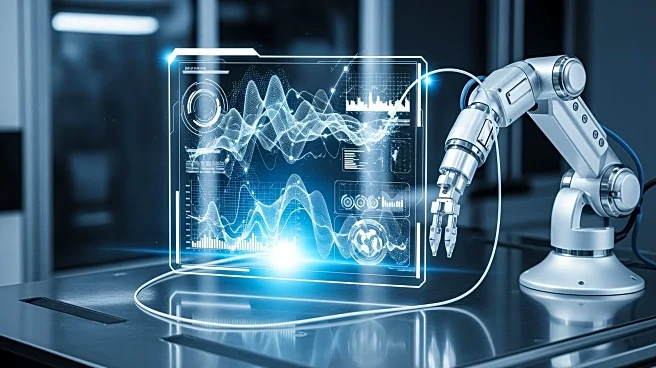
shifts robot maintenance from a reactive 'break-fix' model to a proactive, data-driven approach. The AI system analyzes historical service data and real-time telemetry to predict mechanical failures before they occur, thereby reducing downtime and extending the robots' operational life. The RSM AI identifies patterns in component wear and usage by combining service history with odometry data, such as cycles completed and miles traveled. This allows Roboworx to flag specific components for replacement based on usage levels across different models, enhancing the efficiency of maintenance operations.
Why It's Important?
The introduction of AI-powered predictive analytics in robot maintenance is significant for industries relying on automation. By anticipating mechanical failures, companies can reduce downtime and maintenance costs, thereby maximizing the return on investment in robotic technologies. This development is particularly crucial for sectors like warehousing, cleaning, delivery, and food services, where operational efficiency is paramount. The ability to predict and prevent failures before they occur ensures that robots remain operational, reducing the frequency of costly repairs and enhancing productivity. Additionally, the AI system simplifies data management for technicians and clients, providing clear summaries of robot health and maintenance needs, which can improve decision-making and resource allocation.
What's Next?
As Roboworx continues to integrate AI into its services, the company is likely to expand its predictive analytics capabilities to cover more aspects of robot maintenance. This could include further refinement of the AI algorithms to improve accuracy and the development of additional features to enhance user experience. The success of this initiative may prompt other companies in the robotics industry to adopt similar technologies, potentially leading to widespread improvements in robot maintenance practices. Stakeholders, including robot manufacturers and end-users, will need to adapt to these changes by investing in training and infrastructure to fully leverage the benefits of AI-driven maintenance solutions.