



What's Happening?
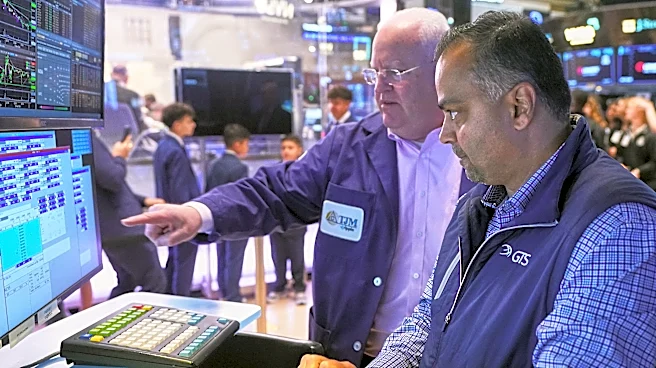
Futures linked to Canada's main stock index, the S&P/TSX Composite Index, have slipped as investors assess the impact of stalled U.S.-Iran peace talks. The talks, which were expected to address the reopening of the Strait of Hormuz, have been postponed,
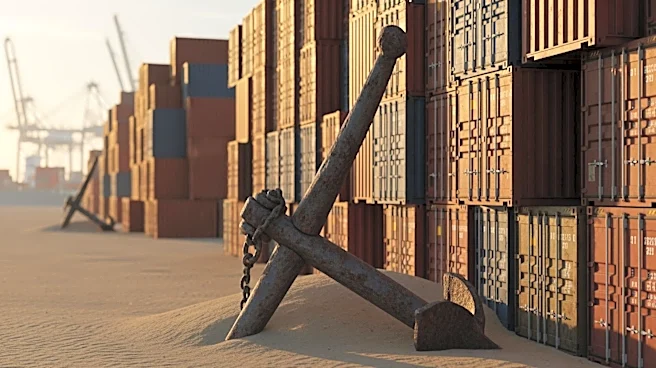
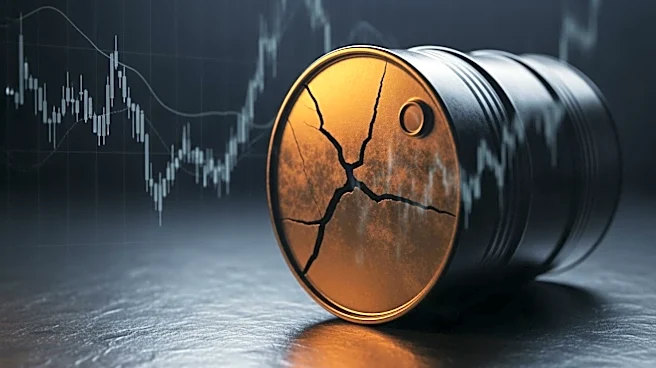
leading to increased uncertainty in global oil markets. Oil prices have risen by over 2% due to limited shipments through the Strait, a critical passage for global oil supplies. The U.S. Federal Reserve and the Bank of Canada are both set to announce their monetary policy decisions this week, with expectations that both will maintain current interest rates. The TSX Composite Index recently ended a four-week winning streak, with energy stock declines offsetting gains in financial and technology sectors.
Why It's Important?
The stalled U.S.-Iran talks and their impact on oil prices are significant for global markets, particularly for energy-dependent economies. The Strait of Hormuz is a vital chokepoint for oil transportation, and any disruptions can lead to volatility in oil prices, affecting inflation and economic growth. The Federal Reserve and Bank of Canada's monetary policy decisions are crucial for market stability, influencing investor sentiment and economic forecasts. The TSX's performance reflects broader market trends, with energy sector fluctuations impacting overall index movements. These developments highlight the interconnectedness of geopolitical events and financial markets.
What's Next?
Investors and policymakers will closely monitor any progress in U.S.-Iran negotiations, as a resolution could stabilize oil prices and reduce market volatility. The Federal Reserve and Bank of Canada's upcoming policy announcements will be pivotal in shaping economic expectations. Market participants will look for guidance on future interest rate paths and potential responses to geopolitical risks. The energy sector's performance will remain a key focus, with potential implications for inflation and economic growth. Stakeholders will need to navigate these uncertainties, balancing risk management with strategic investment decisions.