


What's Happening?
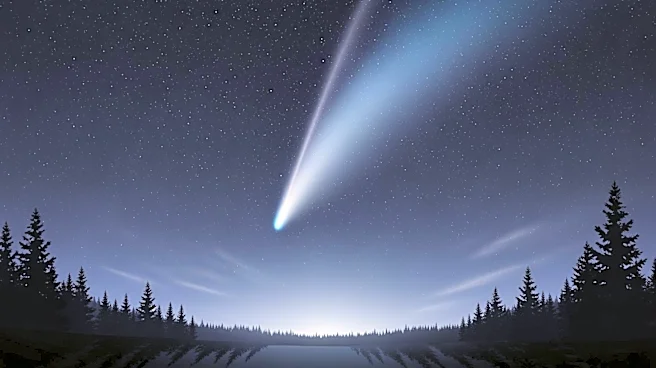
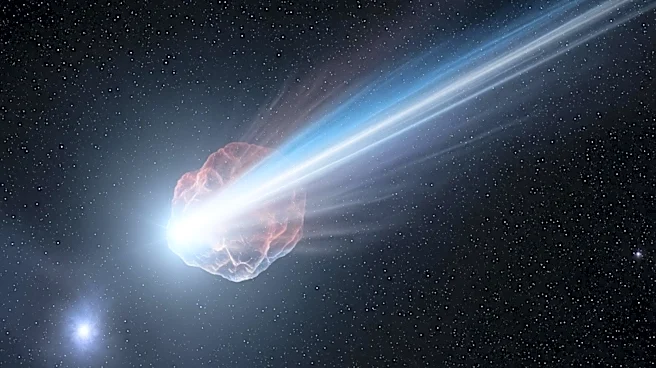
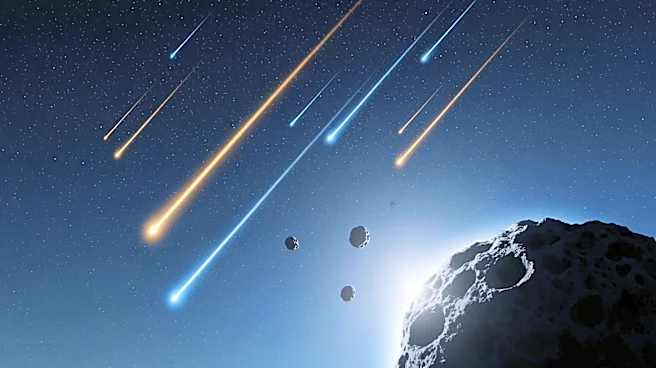
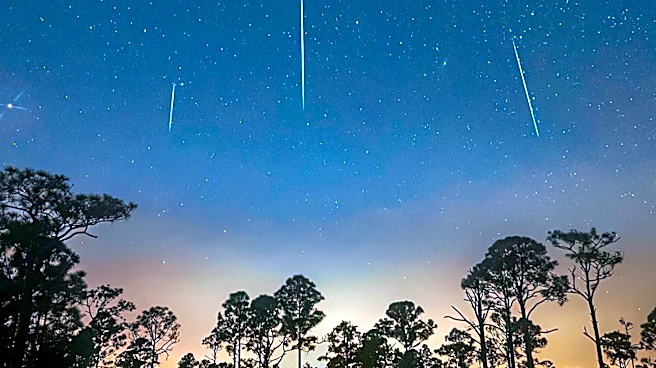
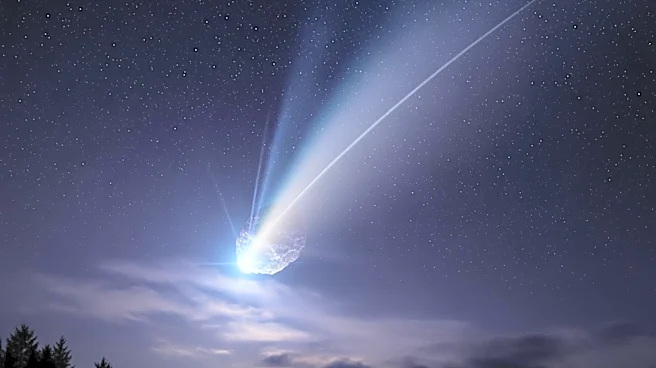
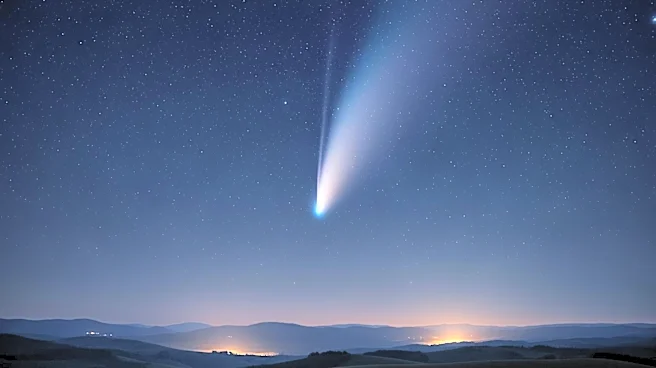
The annual Lyrid meteor shower is set to grace the night skies between April 16 and 25, with its peak expected in the early hours of April 22. Originating from the debris of Comet Thatcher, the Lyrids are known for producing 10 to 20 meteors per hour,
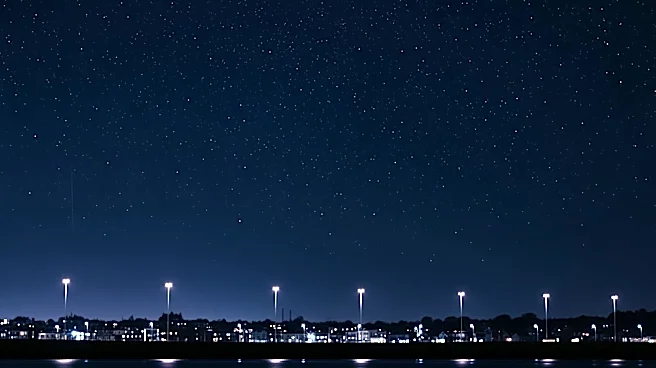
with occasional outbursts reaching up to 100 meteors per hour. The meteors appear to radiate from the constellation Lyra, near the bright star Vega. Skywatchers are advised to find a dark location away from light pollution to best observe the meteor shower, particularly in the predawn hours when visibility is optimal.
Why It's Important?
Meteor showers like the Lyrids offer a unique opportunity for people to connect with the natural world and experience the wonders of the universe. Such events can inspire interest in astronomy and science, encouraging educational pursuits and public engagement with space-related topics. The Lyrid meteor shower also serves as a reminder of Earth's place in the solar system, as it highlights the interactions between our planet and celestial bodies. For amateur astronomers and enthusiasts, the Lyrids provide a chance to observe and document a predictable astronomical event, contributing to citizen science efforts.
What's Next?
As the Lyrid meteor shower approaches, astronomy clubs and observatories may organize viewing events to educate the public and enhance the viewing experience. Weather conditions will play a crucial role in visibility, and clear skies will be essential for optimal observation. Following the Lyrids, other meteor showers will occur throughout the year, offering additional opportunities for skywatching. Continued interest in such events may lead to increased investment in public astronomy programs and facilities, fostering a greater appreciation for space science.