

What's Happening?
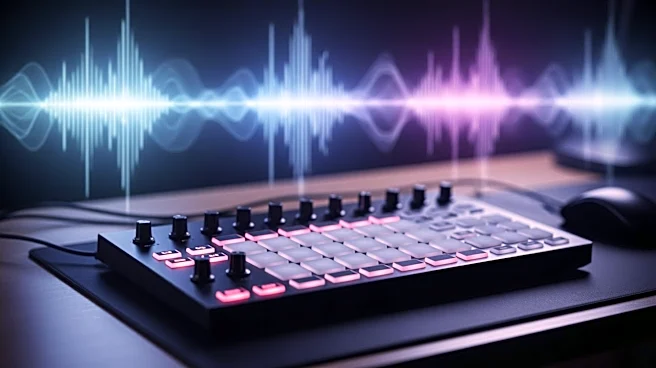
Fortnite Festival Season 14 is introducing new features that allow players to use MIDI drum kits and Rock Band 4 drum kits within the game. This update comes after Epic Games acquired Harmonix, the developer of Rock Band and Guitar Hero, in 2021. The
festival also features Icelandic-Chinese singer Laufey, who brings themed outfits and instruments to the game. Players can unlock these items through the Emberlight Music Pass. Additionally, the festival offers Mic Vocals functionality, enabling players to use Fortnite-compatible microphones for a karaoke-like experience. The new Quick Mix UI enhances the ability to arrange mash-up tracks, providing greater flexibility in gameplay.
Why It's Important?
The introduction of MIDI drum kit compatibility in Fortnite Festival represents a significant expansion of the game's interactive music features. This development could attract a broader audience, including music enthusiasts and former Rock Band players, thereby increasing player engagement and retention. By integrating music-based gameplay, Epic Games is diversifying Fortnite's appeal beyond traditional battle royale elements. This move may also set a precedent for other gaming platforms to incorporate musical peripherals, potentially influencing the gaming industry's approach to interactive entertainment.
What's Next?
As Fortnite continues to evolve with new features, players can expect further integration of music and gaming elements. Epic Games may explore additional partnerships with artists and developers to expand the festival's offerings. The success of these features could lead to more frequent updates and collaborations, enhancing the game's cultural relevance. Stakeholders, including music labels and gaming accessory manufacturers, might capitalize on this trend by developing compatible products and content.
Beyond the Headlines
The integration of music peripherals in Fortnite highlights the growing convergence between gaming and music industries. This trend raises questions about intellectual property rights and revenue sharing between game developers and music artists. Additionally, it reflects a shift towards more immersive and personalized gaming experiences, which could influence future game design and marketing strategies.