





What's Happening?
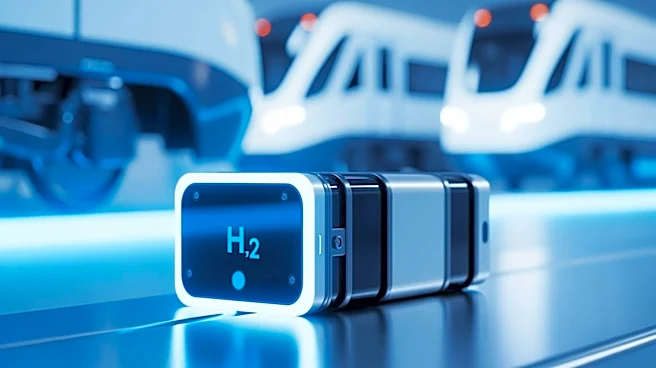
Cummins and Alstom have encountered significant challenges with their investments in hydrogen technology for transportation. Cummins, which invested in hydrogen fuel cells and electrolyzers, found the market demand weaker than expected, leading to strategic
losses. Alstom, on the other hand, sold hydrogen trains but now faces ongoing operational costs and support obligations. The acquisition of Cummins' rail-dedicated hydrogen fuel-cell activities by Alstom highlights the challenges of maintaining hydrogen technology in a competitive market dominated by more cost-effective alternatives like battery-electric systems and overhead electrification.
Why It's Important?
The difficulties faced by Cummins and Alstom in the hydrogen sector underscore the complexities of transitioning to sustainable energy solutions in transportation. The case illustrates the importance of strategic planning and market analysis in adopting new technologies. For Cummins, the hydrogen venture was a small part of its overall business, allowing it to absorb the losses. However, for Alstom, the commitment to hydrogen trains has resulted in long-term operational burdens. This situation highlights the need for companies to carefully evaluate the viability and cost-effectiveness of emerging technologies before making substantial investments.
What's Next?
Alstom will need to continue supporting its existing hydrogen train fleets while potentially shifting focus to more viable alternatives like battery-electric systems. The company may also need to reassess its strategic priorities to align with market demands and technological advancements. For Cummins, the focus may shift towards strengthening its core business areas and exploring other sustainable energy solutions that align better with market realities. Both companies' experiences serve as a cautionary tale for other firms considering investments in emerging technologies, emphasizing the need for thorough market analysis and strategic foresight.