



What's Happening?
Spanish company Vicky Foods has announced the acquisition of the bakery brand Panrico from Adam Foods. The financial details of the transaction have not been disclosed. This acquisition is expected to enhance Vicky Foods' production capacity, particularly
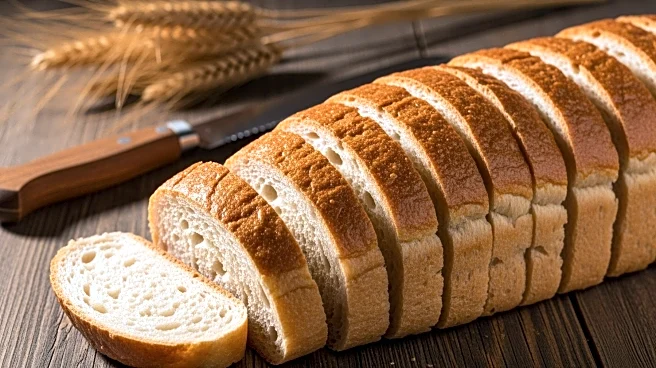
in the sliced bread segment, which has become the company's largest business line by sales volume. The deal includes Panrico's brand and its main industrial asset, a production site in Gulpilhares, Portugal, which spans over 50,000 square meters and has an annual capacity of 21,000 tonnes. Vicky Foods, which operates four production plants and offers around 2,500 products, views this acquisition as a strategic move to strengthen its industrial presence in the Iberian Peninsula and expand its international reach.
Why It's Important?
The acquisition of Panrico by Vicky Foods is significant as it underscores the company's commitment to expanding its footprint in the bakery sector, particularly in the sliced bread category. This move is likely to enhance Vicky Foods' operational capacity in the Iberian region and support its international growth strategy. For Adam Foods, the sale aligns with its focus on the biscuit category, allowing it to concentrate resources on expanding its biscuit operations. The transaction also ensures the continuity of industrial activity and employment at Panrico, which is crucial for the local economy. This acquisition could potentially lead to increased competition in the European bakery market, benefiting consumers with more choices and possibly better prices.
What's Next?
Following the acquisition, Vicky Foods is expected to integrate Panrico's operations into its existing network, which could lead to increased production efficiency and market reach. The company may also explore further expansion opportunities in strategic European markets, leveraging the enhanced production capacity. For Adam Foods, the focus will likely remain on strengthening its position in the biscuit market, possibly through further acquisitions or strategic partnerships. Stakeholders, including employees and local communities, will be closely watching how these changes impact employment and economic activity in the regions involved.