



What's Happening?
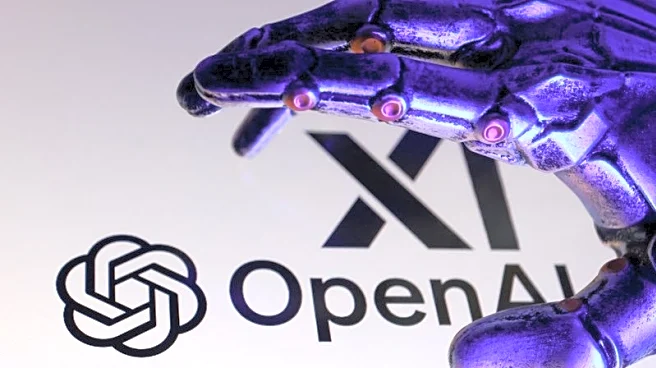
In a recent deposition related to his legal case against OpenAI, Elon Musk criticized the safety practices of OpenAI, contrasting them with those of his own company, xAI. Musk claimed that xAI prioritizes safety more effectively than OpenAI, citing incidents
where ChatGPT allegedly contributed to negative mental health outcomes, including suicides. This deposition is part of a broader lawsuit where Musk argues that OpenAI's transition from a nonprofit to a for-profit entity violated its founding agreements. Musk's concerns about AI safety are longstanding, as evidenced by his previous calls for a pause in the development of AI systems more powerful than GPT-4. The deposition also touched on Musk's past interactions with Google co-founder Larry Page, which he described as alarming due to Page's perceived lack of concern for AI safety. The case is set to go to trial next month.
Why It's Important?
This legal battle highlights significant concerns about AI safety and the ethical responsibilities of AI developers. Musk's allegations against OpenAI underscore the potential risks associated with rapid AI development, particularly when commercial interests might overshadow safety considerations. The outcome of this case could influence future regulations and industry standards for AI safety, impacting how AI companies operate and prioritize their development goals. Additionally, the case draws attention to the broader debate about the role of AI in society and the need for responsible innovation. Stakeholders in the tech industry, policymakers, and the public are closely watching this case, as its implications could shape the future landscape of AI development and governance.
What's Next?
The upcoming trial will likely delve deeper into the allegations against OpenAI and the broader implications for AI safety. As the trial progresses, it may prompt further scrutiny of AI companies' practices and lead to increased calls for regulatory oversight. The tech industry might also see a push for more transparent and accountable AI development processes. Depending on the trial's outcome, there could be significant shifts in how AI companies balance innovation with ethical considerations. Additionally, the case may influence public perception of AI technologies and their potential risks, potentially affecting consumer trust and adoption of AI-driven products and services.