






What's Happening?
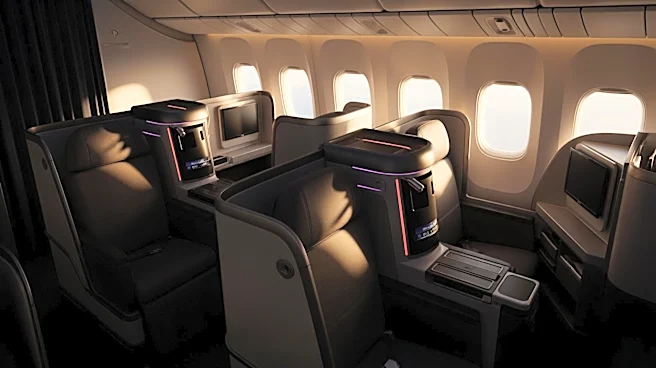
A Delta Airlines passenger recently shared their experience on Reddit, highlighting an unusually high upgrade offer from Comfort Plus to first class on a domestic flight, priced at nearly $5,000. This offer was significantly higher than the outright purchase
price of $1,839 for the same route. The post sparked discussions about the unpredictability of airline pricing, with some attributing the high cost to dynamic pricing models and last-minute inventory strategies. Delta CEO Ed Bastian acknowledged the impact of rising fuel prices on the airline's operations, noting that the company is reducing capacity in response to the current fuel situation. This development is part of a broader trend in the airline industry, where companies are adjusting pricing structures due to increased fuel costs.
Why It's Important?
The situation underscores the challenges airlines face in balancing operational costs with customer satisfaction. Rising fuel prices, driven by geopolitical tensions, are forcing airlines like Delta to reconsider their pricing strategies, potentially leading to higher fares and add-on costs for passengers. This could impact consumer behavior, as travelers may become more selective about when and how they fly. The unpredictability of upgrade pricing also raises questions about transparency and fairness in airline pricing models. As airlines strive to maximize revenue, passengers may feel frustrated by seemingly arbitrary pricing, which could affect brand loyalty and customer trust.
What's Next?
As fuel prices continue to fluctuate, airlines may need to further adjust their pricing strategies to remain competitive while managing costs. This could involve more transparent pricing models or innovative approaches to customer engagement. Passengers, on the other hand, may become more vocal about their dissatisfaction, potentially prompting regulatory scrutiny or industry-wide changes. Airlines might also explore alternative fuel sources or efficiency improvements to mitigate the impact of rising costs. The ongoing dialogue between airlines and consumers will likely shape the future of air travel pricing and service offerings.