






What's Happening?
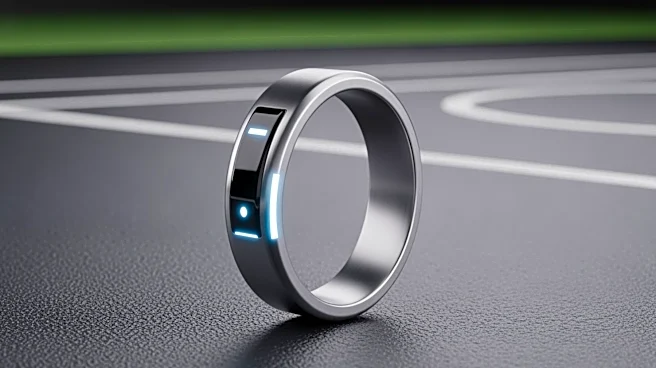
Oura, a company known for its health-focused wearable technology, has announced that its Oura Ring has been designated as the Official Wearable of U.S. Soccer. This partnership highlights the growing integration of technology in sports, particularly in monitoring
and enhancing athlete performance. The Oura Ring is designed to track various health metrics, including sleep patterns, heart rate, and body temperature, providing valuable data that can be used to optimize training and recovery for athletes. This collaboration with U.S. Soccer signifies a significant step in the adoption of wearable technology in professional sports, aiming to improve player health and performance through data-driven insights.
Why It's Important?
The designation of the Oura Ring as the Official Wearable of U.S. Soccer underscores the increasing reliance on technology to enhance athletic performance and health management. By providing real-time data on vital health metrics, the Oura Ring allows coaches and medical staff to make informed decisions about training regimens and recovery strategies. This can lead to improved performance on the field and potentially reduce the risk of injuries. For U.S. Soccer, this partnership represents a commitment to leveraging cutting-edge technology to maintain a competitive edge in international competitions. The broader sports industry may also see a shift towards more widespread adoption of similar technologies, as teams seek to gain advantages through advanced health monitoring.
What's Next?
As the partnership between Oura and U.S. Soccer progresses, it is likely that other sports organizations will take note of the benefits of integrating wearable technology into their training and health management programs. This could lead to increased investment in similar technologies across various sports, as teams look to enhance player performance and reduce injury risks. Additionally, the data collected from these devices could contribute to broader research efforts aimed at understanding athlete health and performance, potentially influencing training methodologies and health protocols in the future.