



What's Happening?
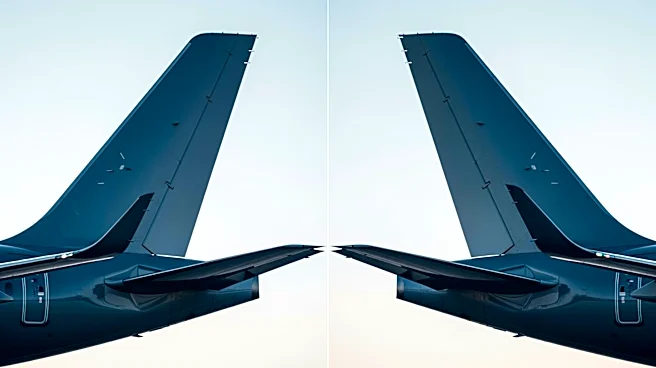
United Airlines has decided to end its pursuit of a merger with American Airlines after the latter declined to engage in discussions. United CEO Scott Kirby had initially proposed the merger during a meeting with President Trump in February, which was
originally intended to discuss the future of Washington’s Dulles airport. American Airlines' CEO Robert Isom publicly rejected the merger, citing concerns that it would be anti-competitive and detrimental to customers. The proposed merger would have been the largest consolidation in the U.S. airline industry in over a decade, potentially reshaping the domestic market dominated by four major carriers.
Why It's Important?
The decision to abandon the merger is significant as it maintains the current competitive landscape of the U.S. airline industry. A merger of this scale could have led to increased market concentration, raising antitrust concerns among analysts and industry experts. United's proposal aimed to increase the number of economy seats and create a globally competitive airline based in the U.S., potentially boosting American jobs and the economy. However, the rejection by American Airlines underscores the importance of maintaining competition to protect consumer interests and prevent potential price hikes.
What's Next?
With the merger off the table, both United and American Airlines will continue to operate independently. The focus may shift to other strategic initiatives to enhance competitiveness and market share. Transportation Secretary Sean Duffy had indicated that more convincing would be needed to justify the merger's benefits to American consumers. As the airline industry continues to evolve, stakeholders will likely monitor any future consolidation attempts and their implications for market dynamics and consumer choice.