






What's Happening?
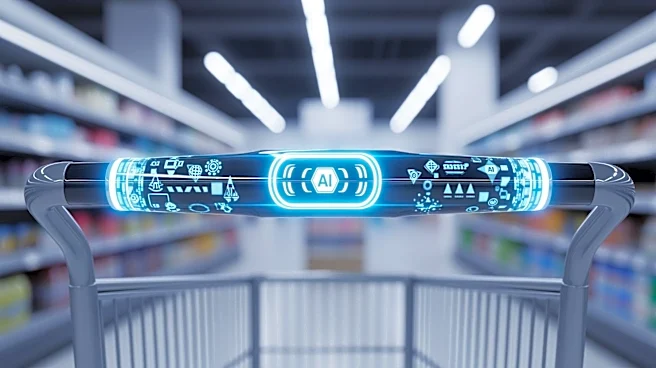
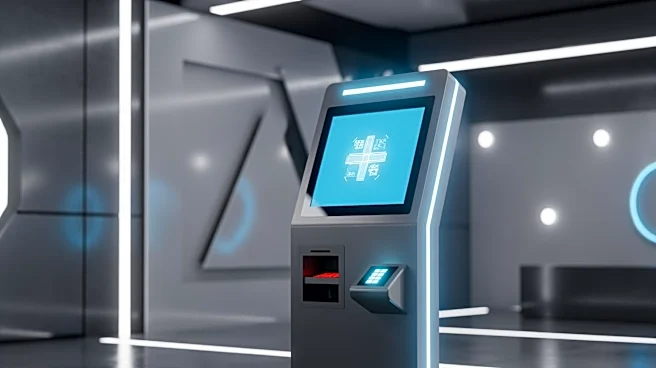
The self-service kiosk market is experiencing significant growth, with a projected compound annual growth rate (CAGR) of 10.2% from 2026 to 2033. This expansion is largely driven by the adoption of artificial intelligence and advanced analytics across
various industries. Industrial applications, such as manufacturing, logistics, and warehousing, are leveraging kiosks for process automation and inventory management, providing cost efficiencies and operational reliability. Commercial sectors, including retail, hospitality, and banking, are also major contributors, focusing on enhancing customer experience and reducing labor costs through technologies like contactless payments and digital interfaces.
Why It's Important?
The growth of the self-service kiosk market is crucial for industries aiming to improve efficiency and customer satisfaction. In the industrial sector, kiosks help streamline operations, leading to cost savings and increased reliability. For commercial applications, they enhance customer interactions and reduce operational costs, fostering brand loyalty and consistent revenue streams. The integration of AI and machine learning in kiosks is expected to further enhance their functionality, making them indispensable tools in various sectors. This trend indicates a shift towards more automated and customer-centric business models, which could redefine service delivery standards across industries.
What's Next?
As the self-service kiosk market continues to grow, industries are likely to invest more in research and development to enhance kiosk functionalities. Emerging applications in healthcare, entertainment, and transportation present new opportunities for market expansion. These sectors are expected to adopt kiosks for tasks like patient check-in and medication dispensing, which could revolutionize service delivery models. Companies that effectively balance stability with growth agility by exploring these emerging segments will be better positioned to adapt to changing consumer preferences and technological advancements, ensuring sustained growth and competitive differentiation.
Beyond the Headlines
The expansion of the self-service kiosk market highlights broader trends in digital transformation and automation. As industries increasingly rely on kiosks, there may be ethical and regulatory considerations regarding data privacy and security. The integration of AI in kiosks also raises questions about the future of human labor in service industries. Additionally, the emphasis on customer experience and operational efficiency could lead to a cultural shift in how businesses interact with consumers, prioritizing convenience and personalization. These developments underscore the need for strategic planning and investment in technology to navigate the evolving market landscape.