


What's Happening?
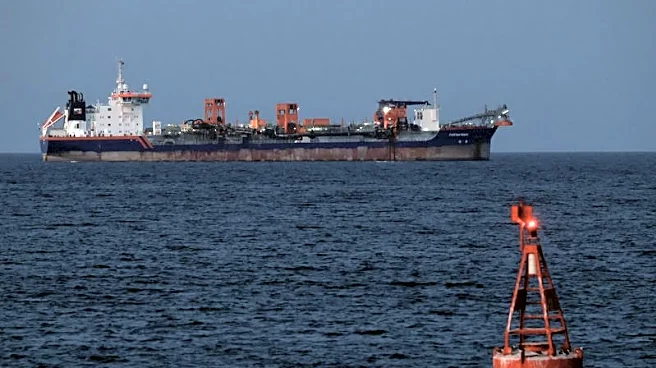
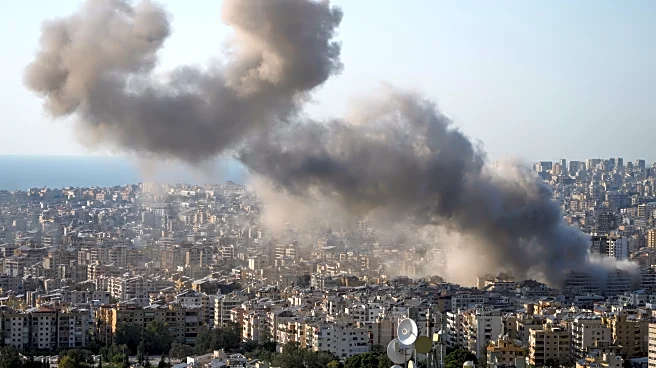
Container shipping giant Maersk is taking proactive measures to redistribute bunker fuel to ensure the continuity of its operations amid escalating tensions in the Middle East. The conflict, intensified by U.S. and Israeli military actions against Iran,
has disrupted the flow and storage of maritime fuel, particularly affecting the Strait of Hormuz, a critical global energy chokepoint. Maersk, one of the largest container shipping groups, has reported that 10 of its vessels are stranded in the Gulf due to these hostilities. The company is focusing on maintaining its ocean network by ensuring vessels can refuel as needed. Additionally, operations at the Port of Salalah in Oman have been paused following drone strikes on oil storage facilities, although Oman has reported no disruption to its oil supply continuity. The situation has also led to attacks on container ships, including the Japan-flagged ONE Majesty, which sustained minor damage from an unknown projectile.
Why It's Important?
The redistribution of bunker fuel by Maersk highlights the significant impact of geopolitical tensions on global shipping and energy supply chains. The Strait of Hormuz is a vital passage for one-fifth of the world's oil, and disruptions here can have far-reaching consequences for global energy markets and shipping logistics. The conflict has already led to increased fuel costs and operational challenges for shipping companies, which are now imposing surcharges to cover these expenses. The situation underscores the vulnerability of international trade routes to regional conflicts and the potential for significant economic fallout. Stakeholders in the shipping and energy sectors are closely monitoring developments, as prolonged disruptions could exacerbate global supply chain issues and lead to increased costs for consumers and businesses worldwide.
What's Next?
As the situation in the Middle East remains volatile, shipping companies like Maersk are likely to continue adjusting their operations to mitigate risks. This may involve rerouting vessels, pausing operations in high-risk areas, and collaborating with international security agencies to ensure the safety of their crews and cargo. The broader shipping industry may also advocate for diplomatic efforts to de-escalate tensions and restore stability to critical maritime routes. Additionally, companies may explore alternative fuel sources and routes to reduce dependency on the Strait of Hormuz. The international community, including governments and trade organizations, may need to engage in dialogue to address the underlying causes of the conflict and prevent further disruptions to global trade.