

What's Happening?
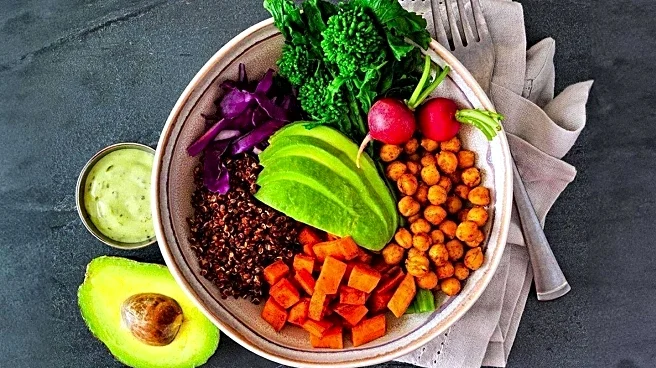
A study conducted by the University of Bristol has found that adopting a plant-based diet can lead to a reduction of 330 calories per day without the need for smaller meals. The research, published in The American Journal of Clinical Nutrition, highlights that individuals consuming unprocessed plant foods tend to eat larger quantities by weight compared to those consuming ultra-processed foods, yet they intake fewer calories overall. The study suggests that people have an inherent 'nutritional intelligence' that guides them to make healthier food choices when presented with natural food options. This behavior is disrupted by the availability of ultra-processed foods, which are often calorie-dense and can lead to overeating and weight gain.
Why It's Important?
The
findings of this study are significant as they provide insights into how dietary choices can impact calorie intake and overall health. With obesity and related health issues being prevalent in the U.S., understanding the benefits of plant-based diets could influence public health policies and dietary guidelines. The study suggests that promoting unprocessed plant foods could help individuals naturally reduce calorie intake and improve nutrient consumption, potentially reducing the risk of obesity and cardiovascular diseases. This research also challenges the perception that calorie reduction requires smaller meal portions, offering a sustainable approach to weight management.
What's Next?
The study's implications could lead to increased advocacy for plant-based diets in dietary recommendations and public health campaigns. Nutritionists and policymakers might consider these findings to encourage the consumption of unprocessed foods as a strategy to combat obesity. Further research could explore the long-term health benefits of plant-based diets and their impact on various demographic groups. Additionally, food manufacturers may respond by developing more unprocessed plant-based products to meet potential consumer demand.
Beyond the Headlines
The study raises questions about the role of ultra-processed foods in modern diets and their impact on health. It suggests that while these foods can meet micronutrient needs due to fortification, they also contribute to excessive calorie intake. This duality poses a challenge for consumers trying to balance nutrition and energy intake. The research highlights the need for a shift in food production and marketing towards promoting whole, unprocessed foods to support healthier eating habits.