




What's Happening?
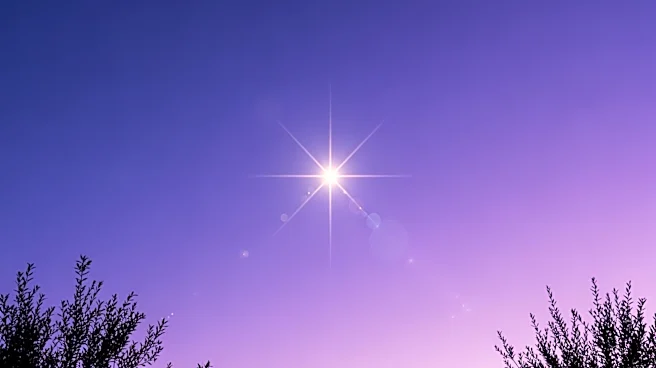
In May, skywatchers will have the opportunity to witness two significant astronomical events. On May 18th, Venus and the Moon will appear close together in the western sky just after sunset. This alignment, despite the vast distance between the two celestial
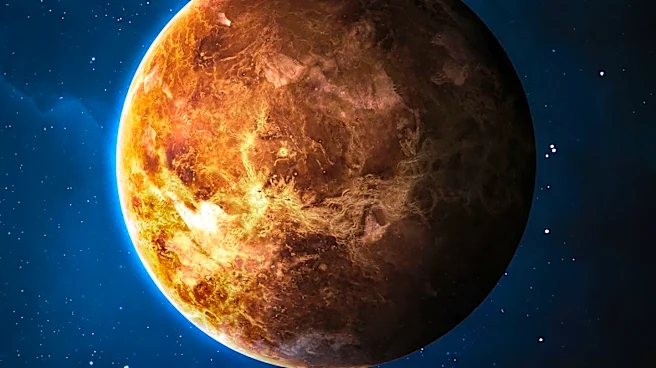
bodies, will make them appear brighter and closer from Earth's perspective. Venus, often referred to as the evening star, is one of the brightest objects visible from Earth. Later in the month, on May 31st, a Blue Moon will occur. This term refers to the second full moon within a single calendar month, a relatively rare event that has given rise to the phrase 'once in a Blue Moon.' The Blue Moon will be visible after sunset or just before sunrise, although it will not appear blue in color.
Why It's Important?
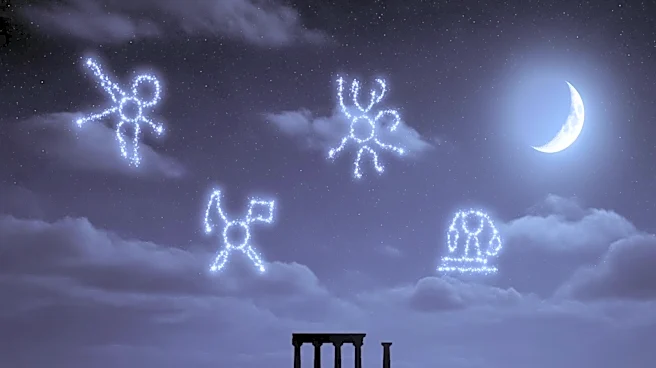
These astronomical events provide a unique opportunity for both amateur and professional astronomers to observe and study celestial phenomena. The conjunction of Venus and the Moon offers a chance to appreciate the beauty and complexity of our solar system, while the occurrence of a Blue Moon highlights the intricacies of lunar cycles. Such events can inspire interest in astronomy and science, encouraging educational activities and public engagement with space exploration. Additionally, these occurrences can have cultural significance, as they are often associated with folklore and traditions. For the general public, these events offer a moment to connect with the natural world and gain a greater appreciation for the universe.
What's Next?
As these events approach, astronomy clubs and observatories may organize viewing parties and educational sessions to enhance public engagement. Weather permitting, these gatherings can provide guided observations and discussions about the significance of these celestial events. Additionally, media coverage and social media platforms are likely to highlight these occurrences, further increasing public awareness and interest. For those interested in observing these events, it is advisable to find a location with minimal light pollution to maximize visibility.