

What's Happening?
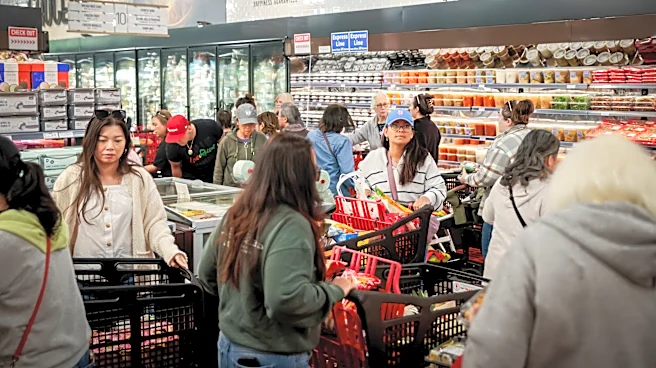
Retail sales in the United States increased by 0.6% in February, driven by consumer spending on cars and clothing. This rise follows a decline in January due to severe winter storms. However, the ongoing Iran war, which began on February 28, poses a threat
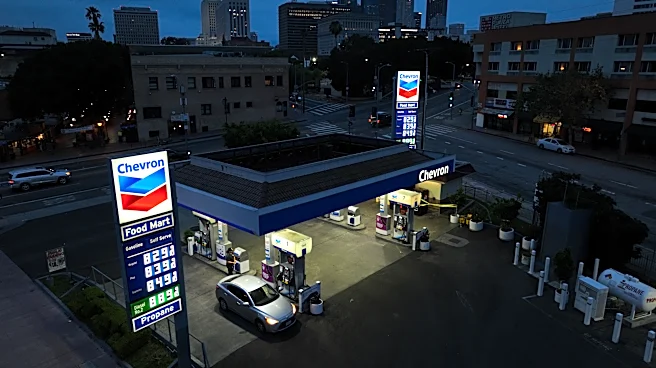
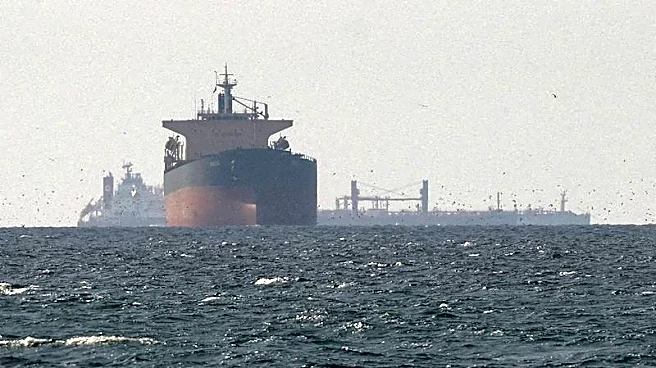
to consumer spending as it has led to a significant increase in gasoline prices. The closure of the Strait of Hormuz has disrupted oil supplies, causing a spike in fuel costs and raising concerns about inflation. Economists warn that higher gas prices could reduce real household incomes and impact discretionary spending, particularly in travel and recreation sectors.
Why It's Important?
The increase in retail sales is a positive indicator for the U.S. economy, suggesting resilience in consumer spending despite recent challenges. However, the Iran war's impact on oil prices presents a significant risk, potentially derailing economic recovery efforts. Higher fuel costs disproportionately affect lower-income households, reducing their purchasing power and potentially slowing economic growth. The situation underscores the interconnectedness of global events and domestic economic conditions, highlighting the need for strategic policy responses to mitigate adverse effects on consumers and businesses.
What's Next?
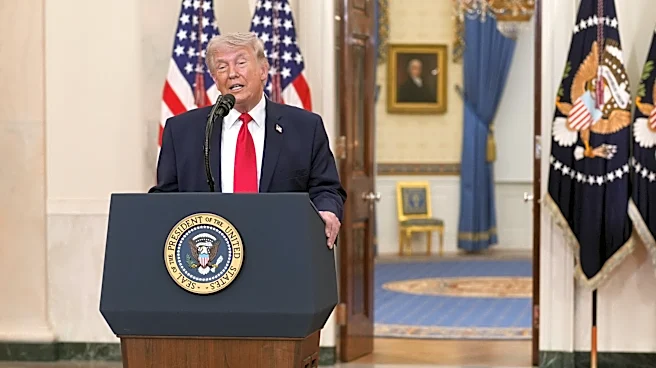
As the situation in the Middle East evolves, U.S. policymakers and businesses will need to monitor developments closely. Potential responses could include measures to stabilize fuel prices and support affected industries. Retailers may need to adjust strategies to accommodate shifts in consumer behavior, while economists will be watching for signs of inflationary pressures. The outcome of the Iran conflict and its resolution will play a crucial role in shaping the economic landscape in the coming months, influencing both domestic and international markets.