


What's Happening?
As the first quarter of 2026 concludes, the American industrial sector is grappling with increased protectionist costs due to heightened tariffs on imported steel and aluminum. Caterpillar Inc. has warned that these escalating trade duties could significantly
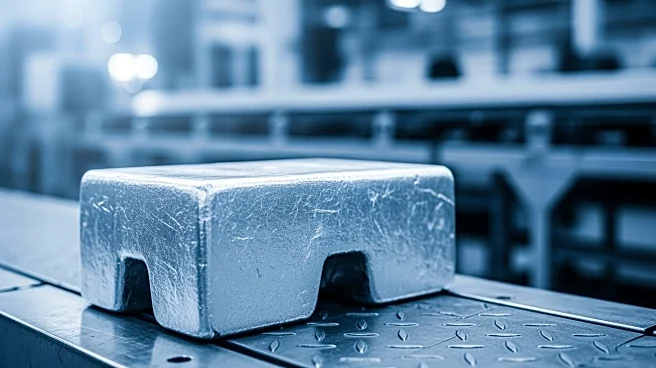
impact its financial performance, projecting a $2.6 billion tariff hit for the fiscal year. Despite these challenges, the sector is buoyed by a surge in demand for AI data centers and North American infrastructure projects, which are helping to offset the financial strain. The tariffs, which were increased to 50% in June 2025, have kept U.S. Hot-Rolled Coil prices at a premium, affecting manufacturers differently based on their supply chain strategies and market focus.
Why It's Important?
The situation underscores the complex dynamics of U.S. trade policy and its impact on domestic manufacturing. While the tariffs aim to bolster local production, they have also led to increased costs for raw materials, affecting companies like Caterpillar and Deere & Company. However, the demand for AI infrastructure and mining equipment is providing a critical safety net, highlighting the importance of strategic adaptation in the face of trade challenges. Companies that can localize their production, like PACCAR Inc., are better positioned to navigate these tariffs, potentially gaining market share as competitors struggle with higher costs.
What's Next?
Looking ahead, industrial firms may focus on reshoring supply chains to mitigate tariff impacts. This could involve domestic mergers and acquisitions to secure local component sources. The sustainability of current demand levels will be crucial; any slowdown in AI or infrastructure projects could exacerbate the tariff burden. Companies will need to monitor backlog levels closely, as a decrease could signal financial difficulties. The industry may also see a shift towards 'local-for-local' manufacturing to avoid future trade disruptions.