
What's Happening?
7-Eleven Inc. plans to close 645 stores in North America during the fiscal year 2026, as revealed in recent earnings filings. The closures are part of a broader strategy to convert locations into wholesale
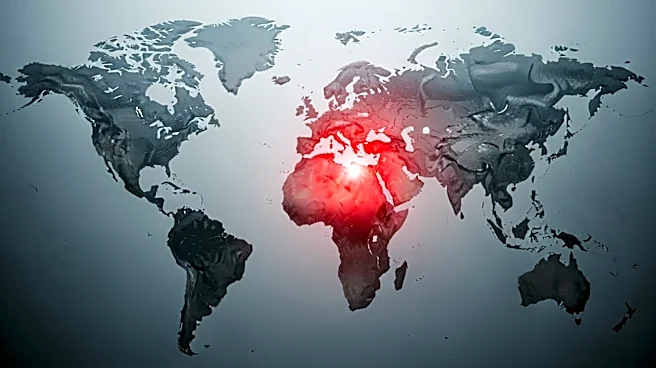
fuel stores, with over 900 such stores already established. The decision comes amid challenges such as slowing sales, reduced foot traffic, and inflationary pressures. The company aims to open 205 new stores, although these openings will be outpaced by closures. The closures coincide with rising gas prices due to geopolitical tensions involving the U.S. and Israel's conflict with Iran.
Why It's Important?
The closure of 7-Eleven stores reflects broader economic challenges facing the retail sector, including inflation and changing consumer behavior. As consumers grapple with higher prices, particularly for fuel, convenience stores are under pressure to adapt. The shift towards wholesale fuel stores indicates a strategic pivot to capitalize on fuel sales, which may offer higher margins. This move could impact local economies, particularly in areas where 7-Eleven stores serve as key retail outlets.
What's Next?
7-Eleven's strategy to convert stores into wholesale fuel locations suggests a focus on optimizing profitability amid economic uncertainties. The company may continue to evaluate its store portfolio, potentially leading to further closures or conversions. Stakeholders, including employees and local communities, will likely monitor the impact of these changes on employment and access to retail services. The company's efforts to expand fresh food offerings and delivery services may also play a role in its future growth strategy.
Beyond the Headlines
The store closures highlight the challenges faced by retailers in adapting to shifting consumer preferences and economic conditions. The focus on wholesale fuel stores underscores the importance of diversification in retail strategies. Additionally, the geopolitical context, including the U.S.-Israel conflict with Iran, illustrates the complex interplay between international events and domestic economic policies.