

What's Happening?
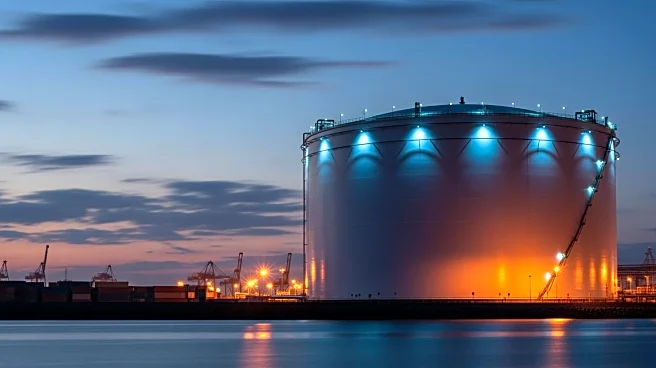
The global energy landscape is experiencing a significant shift as liquefied natural gas (LNG) supply issues overshadow oil concerns. Disruptions in LNG flows from the Middle East, particularly Qatar, are tightening global supply chains at a time when
demand remains high in Asia and Europe. This has led to a rapid market response, with shares of major Western LNG exporters rising as buyers seek alternative sources. The situation underscores the world's reliance on a limited number of LNG hubs and the challenges posed by geopolitical instability, which could delay new U.S. export projects. Additionally, countries like Bolivia are facing potential reversals in their energy roles, moving from exporters to importers due to declining production and rising consumption.
Why It's Important?
The current LNG supply strain is significant as it highlights the vulnerabilities in global energy security. Unlike oil, which can be rerouted more easily, LNG requires specialized infrastructure, making its supply chains less flexible and more susceptible to disruptions. This situation is causing real-time economic pressures, particularly in regions dependent on LNG imports, as price spikes can directly impact power costs, industrial activity, and inflation. The crisis serves as a reminder that energy security is not just about having supply but ensuring access when and where it is needed. Policymakers and investors must navigate these challenges to maintain stability in energy markets.
What's Next?
As the LNG market continues to tighten, stakeholders are likely to focus on securing stable supply chains and investing in infrastructure to mitigate future disruptions. The geopolitical landscape will play a crucial role in shaping the development of new export projects, particularly in the U.S., where uncertainty around shipping routes and financing could delay progress. Major importers will continue to seek alternative sources to stabilize their energy positions, while exporters may need to adapt to shifting demand patterns. The ongoing competition for LNG resources will likely drive further market volatility and necessitate strategic planning by governments and industry leaders.