


What's Happening?
The maritime industry is increasingly facing disruptions due to extreme weather, political tensions, and shifting trade patterns, which challenge the reliability of maritime transport and pressure the sector to meet environmental targets. To address these
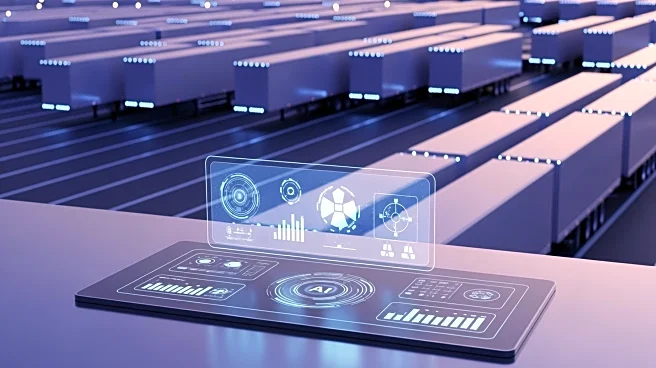
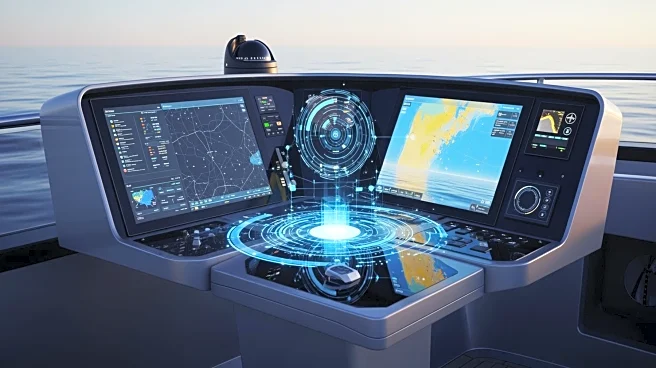
challenges, the industry is turning to Intelligent Transport Systems (ITS), specifically Maritime ITS (MITS), to create a connected digital framework that enhances decision-making and operational efficiency. MITS integrates vessels, ports, and logistics through common data standards, enabling real-time coordination and improved visibility across the supply chain. This approach aims to reduce delays, optimize routing, and manage energy use more effectively, ultimately supporting the industry's decarbonization efforts and compliance with environmental regulations.
Why It's Important?
The adoption of MITS is crucial for the maritime sector as it seeks to enhance resilience and sustainability in the face of increasing environmental and geopolitical challenges. By improving coordination and data sharing, MITS can significantly reduce costs, shorten terminal waiting times, and lower emissions, which are vital for maintaining competitiveness in a rapidly changing market. The system's ability to provide a consistent picture of operations allows for better resource planning and risk management, which is essential for meeting both commercial and environmental goals. As the maritime industry plays a critical role in global trade and economic stability, the successful implementation of MITS could have far-reaching benefits for national economies and individual operators alike.
What's Next?
The maritime sector is poised to further integrate MITS into its operations, with a focus on creating a cohesive digital infrastructure that can withstand the demands of climate change, trade fluctuations, and regulatory shifts. As technology becomes more accessible and adoption costs decrease, the industry is expected to accelerate the deployment of MITS, leveraging satellite connectivity and machine learning models to enhance predictive capabilities and operational efficiency. Stakeholders, including ports, carriers, and logistics providers, are likely to collaborate more closely to establish shared data standards and secure communication channels, ensuring that all parties have access to real-time information. This strategic effort will enable the maritime industry to adapt swiftly to changing conditions, maintain service quality, and meet environmental commitments.
Beyond the Headlines
The implementation of MITS in the maritime sector not only addresses immediate operational challenges but also contributes to long-term environmental stewardship. By facilitating better data sharing and coordination, MITS supports the creation of green shipping corridors and helps balance commercial activity with the protection of vital ecosystems such as coral reefs and mangroves. This approach aligns with broader sustainability goals and enhances the industry's ability to meet decarbonization targets without compromising profitability. As the maritime sector continues to evolve, the integration of digital systems will be key to ensuring its resilience and sustainability in the face of ongoing global challenges.