




What's Happening?
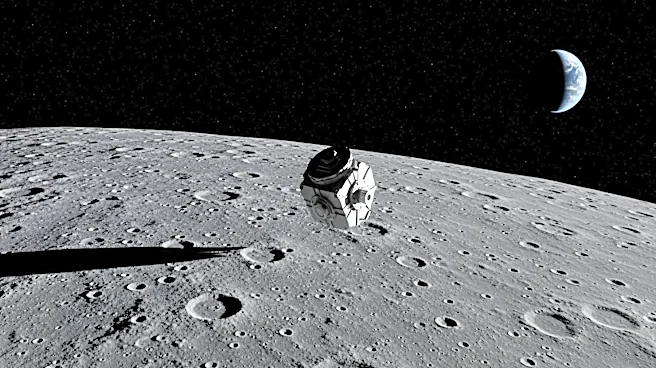
The term 'blue moon' refers to the occurrence of an extra full moon within a calendar month, a phenomenon that will next occur on May 31, 2026. This upcoming blue moon is also a 'micromoon,' appearing smaller due to its distance from Earth. The phrase
'once in a blue moon' originated from a misunderstanding in a 1946 Sky & Telescope article, which incorrectly defined a blue moon as the second full moon in a month. This definition, although incorrect, became popular due to its simplicity. Historically, the term 'blue moon' was used to describe rare atmospheric conditions that made the moon appear blue, such as after volcanic eruptions.
Why It's Important?
The blue moon phenomenon, while not as rare as the phrase suggests, highlights the complexities of lunar cycles and their cultural significance. Understanding the origins of the term provides insight into how scientific concepts can evolve through popular culture and media. The blue moon serves as a reminder of the intricate relationship between celestial events and human interpretation. It also underscores the importance of accurate scientific communication and how misconceptions can become widely accepted. This event offers an opportunity for public engagement with astronomy, fostering interest in lunar and celestial phenomena.