






What's Happening?
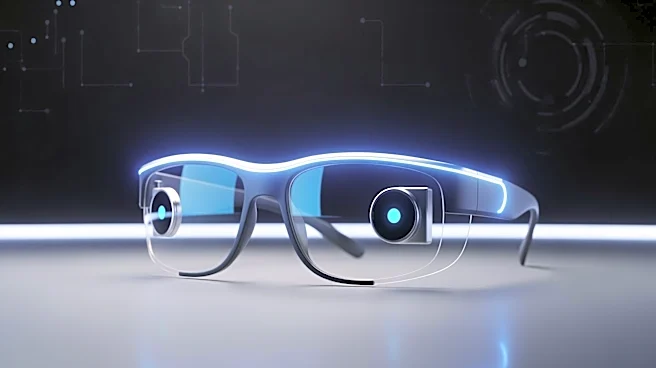
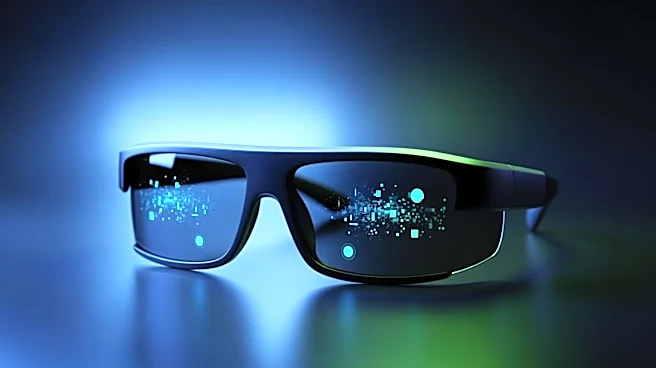
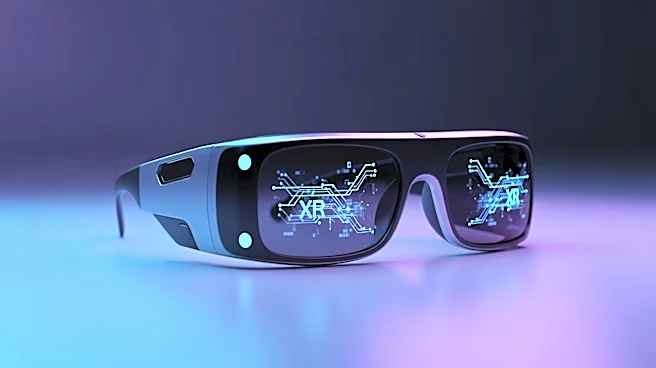
Snap has entered into a multi-year agreement with Qualcomm to utilize the Snapdragon XR platform for its upcoming AR glasses, known as Specs, which are scheduled for release in 2026. This partnership marks a significant shift from a long-running experimental
phase to a commercial roadmap, as announced on April 10, 2026. The Snapdragon XR platform is expected to enhance on-device AI capabilities, advanced graphics, and multiuser experiences without the need for a phone. This collaboration aims to provide a stable platform for developers, reducing supply-chain and developer uncertainty, and is seen as a move to accelerate the adoption of AR technology. Industry leaders have reacted differently to this announcement, with some viewing it as a foundational step for AR development, while others express concerns about consumer appeal due to potential battery life and privacy issues.
Why It's Important?
The partnership between Snap and Qualcomm is pivotal for the AR industry as it could potentially transform AR glasses from niche products into mainstream consumer technology. By providing a stable hardware platform and scalable SDK, developers can create more polished AR experiences, which could lead to increased consumer adoption. This move also signals investor confidence and may prompt rival companies to accelerate their own AR product launches. However, the success of this initiative will largely depend on addressing battery life and privacy concerns, which are critical factors for consumer acceptance. The outcome of this partnership could influence the future trajectory of AR technology and its integration into everyday life.
What's Next?
As the release of Specs approaches in 2026, Snap and Qualcomm are likely to focus on refining the technology to address battery and privacy concerns. Developers will be keenly watching for updates to the developer tools and SDKs to ensure they can create compelling applications for the platform. The industry will also be monitoring consumer reactions to the initial launch, which will provide insights into the broader market potential for AR glasses. Additionally, competitors may respond by accelerating their own AR projects, potentially leading to a more competitive market landscape.