



What's Happening?
Peter Criss, former drummer of the rock band KISS, has publicly refuted claims made by his bandmate Gene Simmons regarding the creation of the band's 1976 hit song 'Beth'. Simmons recently stated that Criss had no significant role in the song's development, asserting that Criss merely sang it. Criss, however, insists that he co-wrote the song with Stan Penridge and producer Bob Ezrin, contributing the melody and phrasing. The song, originally titled 'Beck', was transformed into 'Beth' with Ezrin's orchestration, which Criss credits for its success. Criss emphasizes that Simmons was not present during the song's creation and criticizes Simmons' understanding of the song's history.
Why It's Important?
This dispute highlights ongoing tensions within KISS, a band known
for its internal conflicts. The disagreement over 'Beth' underscores the complexities of songwriting credits and the importance of accurate historical accounts in the music industry. For fans and historians, this exchange offers insight into the dynamics of KISS and the creative processes behind their music. It also raises broader questions about the recognition of contributions in collaborative artistic endeavors, particularly in bands where multiple members may claim authorship or influence over a piece of work.
What's Next?
Peter Criss plans to promote his new solo album and may consider concert dates, potentially reigniting interest in his contributions to KISS. The public dispute could lead to further clarifications or statements from other band members or those involved in the song's production. Fans and music historians may continue to debate the true origins of 'Beth', while the band itself may face renewed scrutiny over its internal relationships and historical narratives.
Beyond the Headlines
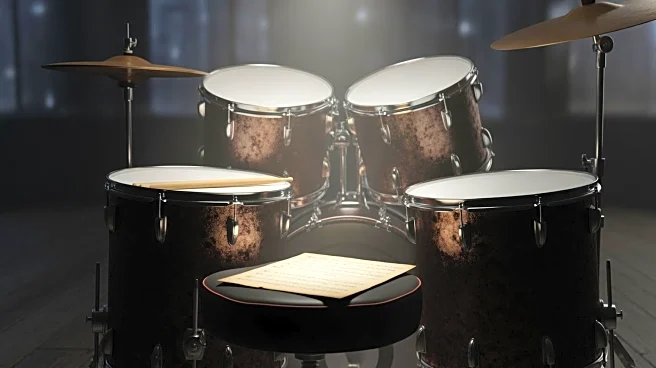
The controversy touches on the broader issue of how musical contributions are valued and recognized, particularly for non-traditional instruments like drums. Criss's defense of drums as a legitimate musical instrument challenges common perceptions and highlights the role of percussion in shaping music. This debate may influence how future collaborations are documented and credited, potentially affecting legal and cultural understandings of musical authorship.