





What's Happening?
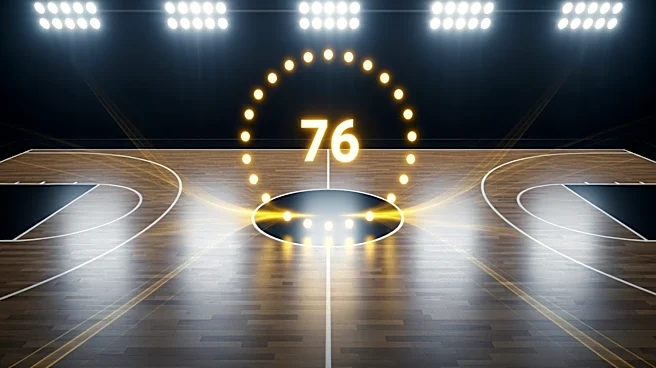
The NCAA has announced an expansion of its men's and women's basketball tournaments to 76 teams each, starting next season. This decision introduces eight additional teams and games to the tournaments, transforming the current First Four into a larger
event called the March Madness Opening Round. The expansion is financially supported by new sponsorship opportunities in the alcohol category, including beer, wine, spirits, and hard seltzer. This move is expected to generate around $300 million in extra funding, with more than $131 million distributed to participating schools. The expansion marks the first increase in the men's tournament size in 15 years and follows a similar expansion for the women's tournament in 2022.
Why It's Important?
The expansion of the March Madness tournaments is significant for several reasons. It provides more opportunities for teams, particularly from power conferences, to participate, potentially increasing their visibility and revenue. The inclusion of alcohol sponsorships marks a shift in NCAA policy, opening new revenue streams that could influence future tournament funding and operations. This change also reflects broader trends in college sports, where financial considerations increasingly drive decisions. While the expansion may benefit larger conferences, it also offers smaller programs a chance to compete on a national stage, maintaining the tournament's appeal as a platform for underdog stories.
What's Next?
The expanded format will be implemented next season, with the NCAA planning to host additional games as part of tripleheaders on Tuesdays and Wednesdays. The organization will seek a new site to join Dayton, Ohio, as hosts for these games. The current TV deal, which runs through 2032, will accommodate the new format, and the NCAA anticipates maintaining this structure beyond the deal's expiration. Stakeholders, including conference leaders and coaches, will likely continue discussions on the tournament's structure and its impact on college basketball's competitive landscape.