

What's Happening?
The Grand Palais in Paris is hosting a landmark exhibition featuring the final works of renowned artist Henri Matisse. The exhibition, which includes over 300 pieces, highlights the period from 1941 until Matisse's death in 1954. This era is marked by
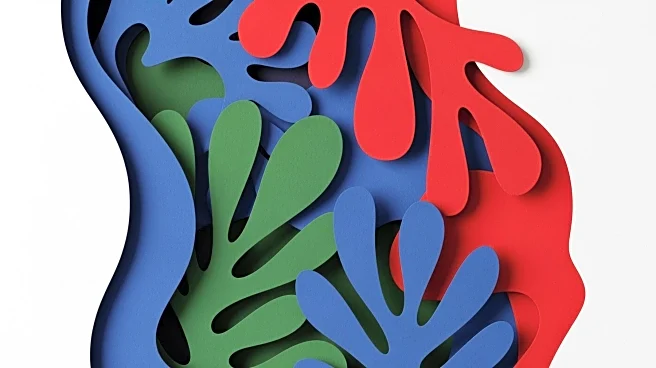
a burst of creativity following a life-threatening illness that Matisse survived in 1941. The exhibition showcases vibrant maquettes for 'Jazz,' intricate 'Themes and Variations' drawings, and the profound spiritual legacy of the Chapelle du Rosaire in Vence. The show concludes with Matisse's immersive paper collages, such as 'The Parakeet and the Mermaid,' which transformed his studio into a vibrant world of light. Curator Claudine Grammont aims to dispel the myth that Matisse's art was effortless, highlighting the physical struggles he faced while creating these masterpieces.
Why It's Important?
This exhibition is significant as it brings Matisse's late works back to Paris, offering a comprehensive view of his final creative phase. It serves as a cultural homecoming and a celebration of Matisse's contribution to art, particularly during a period when he became a symbol of liberty in post-war France. The exhibition provides insight into Matisse's artistic process and the challenges he overcame, offering a deeper understanding of his legacy. It also highlights the importance of preserving and showcasing historical art, contributing to cultural heritage and education.