






What's Happening?
David Delaney, CEO of Itafos, has highlighted a looming crisis in fertilizer prices and availability, which is expected to drive up grain prices. Itafos, with its flagship operation in Idaho, is facing challenges due to disruptions in sulfuric acid supply,
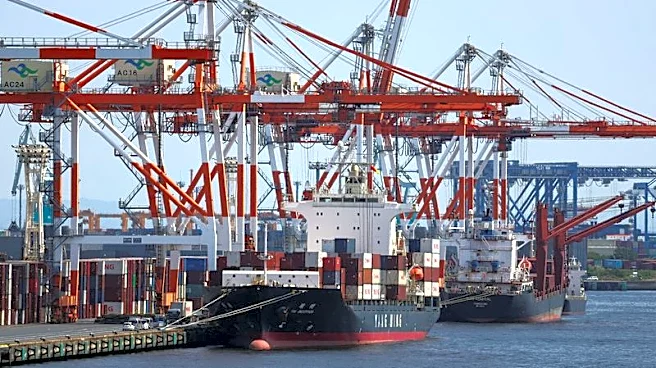
a key component in phosphate fertilizer production. The U.S. and Israel's military actions in Iran have exacerbated the situation, affecting the supply chain through the Strait of Hormuz, a major route for sulfur. Additionally, Russia's halt on sulfur exports has further strained the market. Delaney anticipates that the ongoing Middle East conflict will prolong these disruptions, potentially until the end of the year. This situation is expected to reduce crop yields globally, with significant impacts in countries like Brazil, where up to 40% of acreage may lack phosphate fertilizer. As grain stockpiles diminish, prices are likely to rise.
Why It's Important?
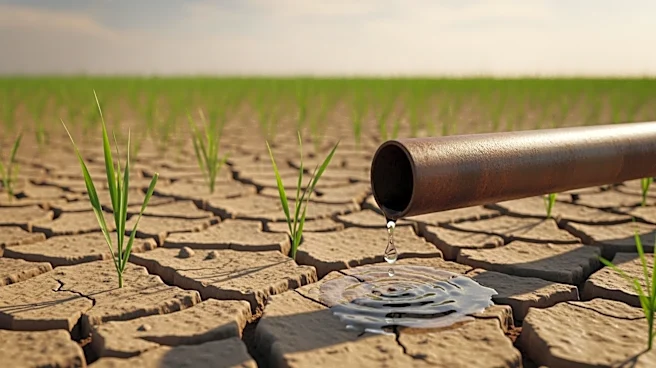
The fertilizer crisis has significant implications for global agriculture and food security. Higher grain prices could lead to increased costs for food production, affecting consumers and economies worldwide. The potential reduction in crop yields may exacerbate food shortages, particularly in regions heavily reliant on imports. Additionally, the crisis could shift global trade dynamics, as countries reconsider their grain export strategies to maintain domestic safety stocks. The increased focus on biofuels, as seen with Indonesia's potential move to E50, could further alter demand for grains and oilseeds. This situation underscores the interconnectedness of global supply chains and the potential for geopolitical events to impact agricultural markets.
What's Next?
The resolution of the Middle East conflict and the reopening of the Strait of Hormuz are critical to stabilizing the fertilizer market. However, even with a resolution, logistical challenges and insurance concerns may delay the return to normalcy. Countries may need to adapt by increasing domestic production of fertilizers or seeking alternative sources. The agricultural sector may also explore sustainable practices to mitigate the impact of reduced fertilizer availability. Policymakers and industry leaders will need to collaborate to address these challenges and ensure food security.