

What's Happening?
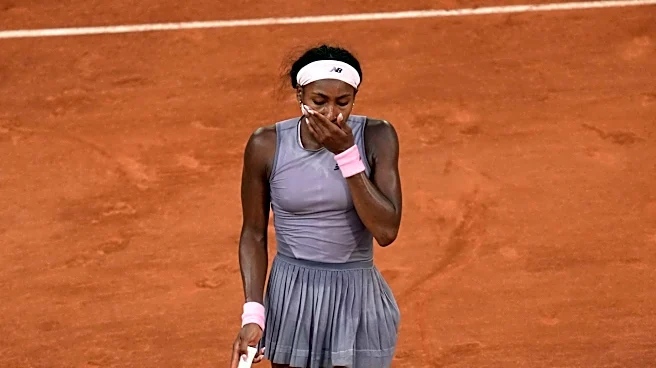
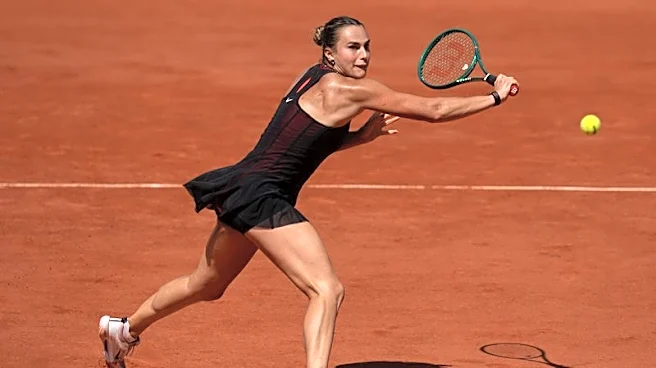
The French Open is set to feature a women's match in its night session for the first time in three years. This development comes as Aryna Sabalenka, the current world No. 1, is scheduled to face former No. 1 Naomi Osaka in a fourth-round match. The decision
to include a women's match in the prime-time slot follows criticism directed at tournament director Amelie Mauresmo for predominantly scheduling men's singles contests in the evening sessions. Since the introduction of the night session in 2021, only four out of the first 60 matches have been women's singles, with none since 2023. The absence of high-profile male players in the current draw, due to early exits and injuries, has paved the way for this significant change.
Why It's Important?
This scheduling decision marks a significant step towards gender equality in tennis, addressing long-standing criticisms about the underrepresentation of women's matches in prime-time slots. The inclusion of Sabalenka and Osaka, both four-time Grand Slam champions, highlights the competitive nature and appeal of women's tennis. This move could potentially increase viewership and interest in women's matches, challenging the notion that men's matches are more commercially viable. It also reflects broader societal shifts towards gender equality in sports, encouraging other tournaments to reconsider their scheduling practices.
What's Next?
The outcome of this match and its reception by audiences could influence future scheduling decisions at the French Open and other major tournaments. If successful, it may lead to more frequent inclusion of women's matches in prime-time slots, promoting greater visibility and recognition for female athletes. Stakeholders such as the Women's Tennis Association (WTA) and players themselves may continue to advocate for equal representation, potentially leading to policy changes in tournament scheduling.