






What's Happening?
Meta Platforms Inc. has settled a significant lawsuit with the Breathitt County School District in Kentucky, which accused the company of contributing to social media addiction and a mental health crisis among students. This settlement comes after similar
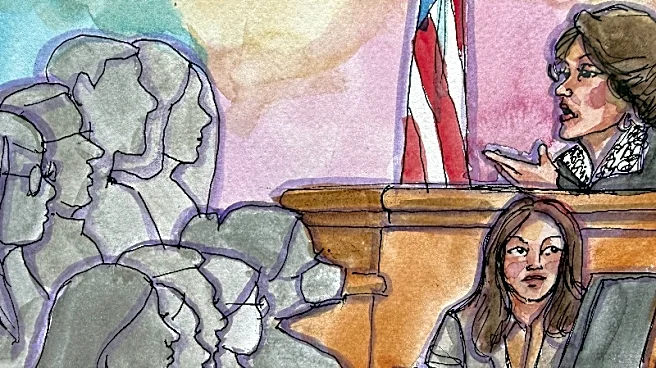
agreements were reached with Snap, TikTok, and YouTube. The lawsuit was part of a broader legal challenge involving over 1,200 school districts across the U.S., alleging that these platforms disrupt learning and force schools to allocate substantial resources to address mental health issues. The settlement terms were not disclosed, but the case was seen as a critical test for the legal arguments against social media companies. The trial was set to begin in June in Oakland, California, but Meta's settlement means its executives, including CEO Mark Zuckerberg, will not have to testify.
Why It's Important?
This settlement is pivotal as it reflects the increasing legal pressure on social media companies to address their platforms' impact on youth mental health. The case highlights the potential financial and operational risks these companies face, with estimates suggesting a collective liability of up to $400 billion. The outcome could set a precedent for future litigation and regulatory measures aimed at ensuring safer online environments for children. The settlement also indicates a shift in how tech companies might approach legal challenges, potentially leading to more proactive measures to enhance user safety and mitigate addiction risks.
What's Next?
Despite the settlement, Meta continues to face numerous lawsuits, including a significant case led by state attorneys general scheduled for August. A loss in this case could force Meta to implement substantial changes to its platform operations. The ongoing legal scrutiny suggests that social media companies may need to adopt more stringent safety protocols and transparency measures to avoid further legal and reputational damage. The industry is likely to see increased regulatory attention, pushing for reforms to protect young users from the adverse effects of social media.